

Contenu de l'article
Our guide will help you understand how much an electric vehicle will consume in 2025!
How do you measure a car’s electricity consumption?
The consumption of an electric vehicle, expressed in kilowatt-hours (kWh) per 100 kilometers, is an indicator to be taken into account when assessing its energy efficiency. This figure represents the energy used by the battery to cover a distance of 100 km. The lower the figure, the more energy-efficient the vehicle. For example, a city car like the Renault Zoé consumes an average of 13 kWh/100 km, while an SUV like the Audi Q8 e-tron can reach 20 kWh/100 km.
What is the average fuel consumption of an electric car?
Unlike internal combustion vehicles, where fuel consumption is measured in liters/100 km, electric vehicles offer improved energy efficiency.
How much will a kilowatt cost in 2025?
Taking into account the cost of electricity, which, according to GREG, averages €0.32/kWh, the price of recharging an electric vehicle can easily be determined. Of course, the price of electricity varies according to your energy supplier, the type of contract you have, and whether or not you have a photovoltaic system.
| Vehicle type | Electric | Petrol |
|---|---|---|
| Fuel price | 0.30 €/kWh | 1,60 €/L |
| Average consumption/100km | 20kWh | 7,5L |
| Cost to drive 100 km | 6,00 € | 12,00 € |
| Cost to cover 40,000 km | 2 400 € | 4 800 € |
What factors influence the fuel consumption of an electric vehicle?
1. Vehicle weight
The heavier the vehicle, the more energy it consumes. Electric SUVs, while popular, are often more energy-hungry due to their greater mass. If you’re looking for a fuel-efficient model, opt for light vehicles like city cars.
2. Aerodynamics and design
A vehicle with an aerodynamic shape reduces air resistance and consumes less energy. For example, the Hyundai Ioniq 6 consumes around 16 kWh/100 km, while its less aerodynamic counterpart, the Ioniq 5, achieves 18 kWh/100 km.
3. Driving style
Dynamic driving with frequent acceleration can significantly increase an electric vehicle’s fuel consumption. Driving smoothly and anticipating braking can reduce energy consumption.
4. Outside temperature
Weather conditions have a major impact on fuel consumption. In cold weather, the energy used to heat the cabin and manage the battery increases. Conversely, hot weather places greater demands on the air conditioning system.
5. Driving speed
Consumption increases exponentially at high speeds. For example:
- At 110 km/h: average consumption around 15 kWh/100 km.
- At 130 km/h: average fuel consumption of up to 20 to 25 kWh/100 km, depending on model.

How can you reduce the fuel consumption of your electric car?
1. Choosing the right model
The choice of electric vehicle has a direct impact on its energy consumption. Choose lightweight, aerodynamic models, such as compact city cars or sedans, ideal for limiting the effort required by the motor.
Finally, adapt your model to your actual needs: a medium-capacity battery (50 kWh) is sufficient for urban use, while a larger battery is more suitable for regular freeway journeys. A well-chosen vehicle allows you to reconcile savings and optimal autonomy.
2. Adopt eco-driving
Controlled driving is essential for optimizing the fuel consumption of an electric vehicle. Limit sudden acceleration, as this requires a great deal of effort from the motor, thus increasing energy consumption. Prefer gradual acceleration to maintain stable, efficient use of the battery, while extending its range.
On freeways, adopt a moderate speed, ideally around 110 km/h. At this speed, air resistance is lower, reducing fuel consumption while preserving range. For example, reducing your speed by 20 km/h can cut fuel consumption by 15% to 20% on long journeys.
Finally, make the most of regenerative braking, a feature unique to electric vehicles. This system recovers kinetic energy during deceleration and converts it into electricity, which is then stored in the battery. Using this braking system intelligently, in particular by anticipating deceleration, increases range and reduces wear and tear on mechanical brakes. Smooth, far-sighted driving is therefore your best ally in controlling fuel consumption.
3. Reload strategically
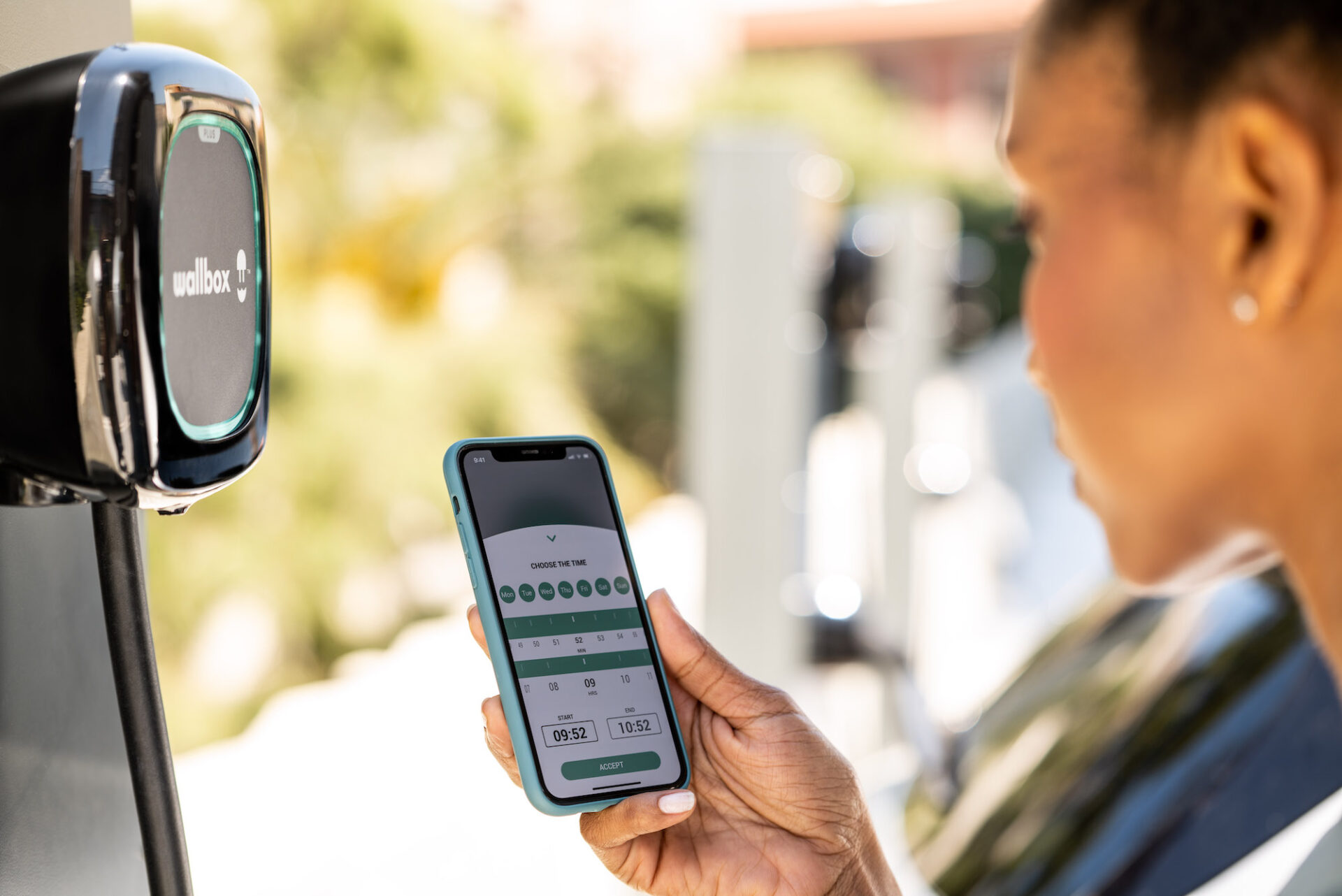
To minimize the cost of recharging your electric vehicle, opt for home or business charging, where the average cost per kWh is much lower than at public charging stations. For example, home charging can cost around €0.25/kWh, compared with €0.50/kWh or more at a fast public charging station. By scheduling your recharging sessions mainly in these locations, you’ll make significant savings over the long term.
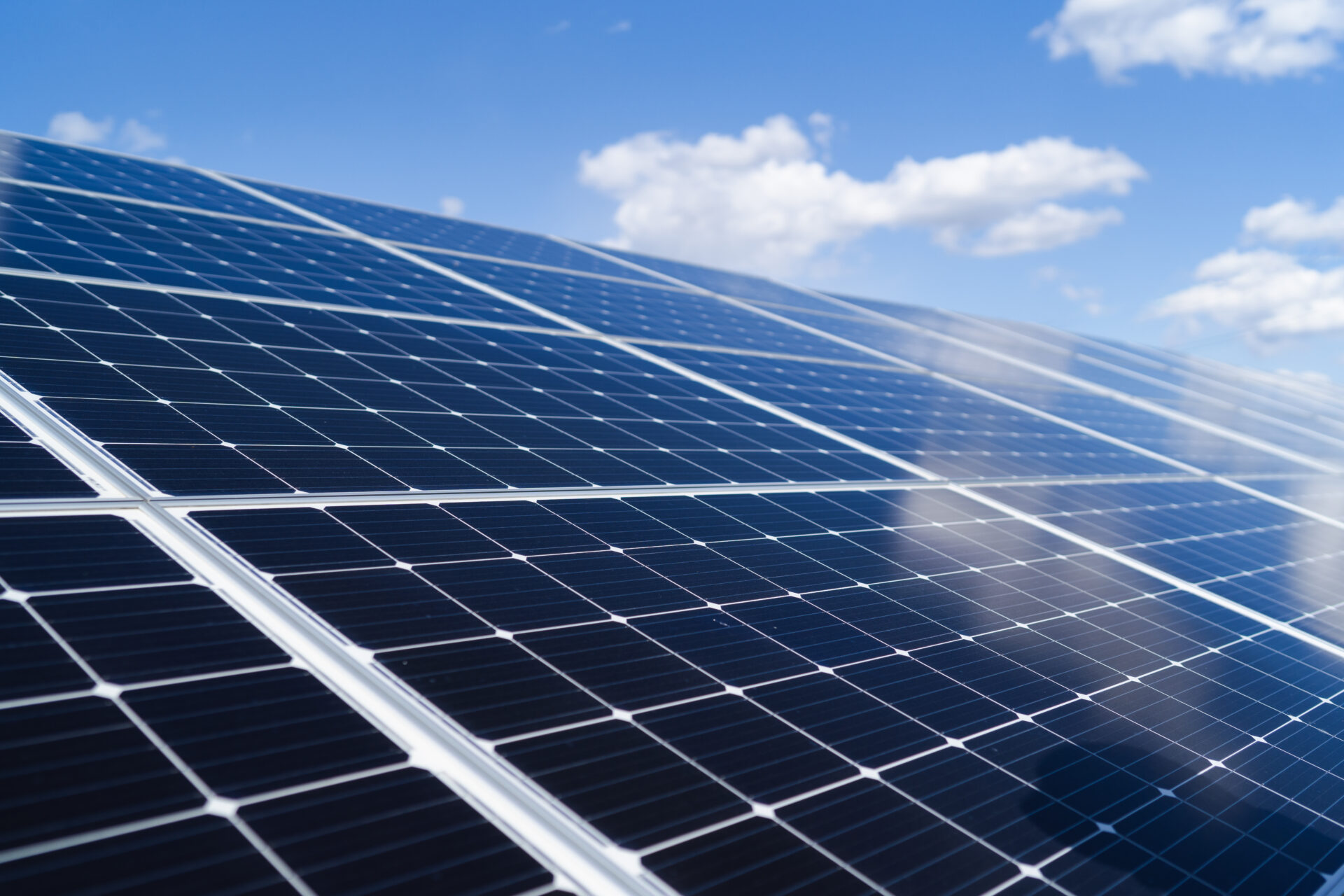
Maximize your savings even further by using photovoltaic panels to power your charging stations. Solar energy produces renewable electricity that’s virtually free, considerably reducing your costs. For example, a properly sized photovoltaic installation can cover a large part of your energy needs for recharging your vehicle, especially if you recharge during sunny hours.
By combining local charging and solar power, you not only optimize your costs, but also contribute to more sustainable mobility by reducing your carbon footprint. It’s the ideal way to combine savings with a commitment to the environment.
4. Limit energy-guzzling equipment
The use of heating and air-conditioning systems can have a significant impact on the energy consumption of your electric vehicle. To limit this expense, choose heated seats rather than cabin heating. Heated seats target your body’s comfort directly, consuming much less energy than conventional heating, which has to maintain the whole car’s atmosphere at a pleasant temperature.
Likewise, reduce excessive use of air conditioning, especially at full power. Prefer moderate settings, or use natural ventilation whenever possible. Intensive air conditioning puts a heavy load on the battery, reducing range, especially in summer. To improve efficiency, consider pre-conditioning the cabin while your vehicle is still charging, so that you can use energy directly from the charging station rather than drawing on the battery.
These small adaptations enable you to extend your vehicle’s range while reducing overall energy consumption, all without compromising your well-being on board.
Would you like to benefit from the expertise of our charging station installation specialists? Contact us to discuss your needs and expectations.