

In a context of growing electric mobility, electric charging stations play an essential role in powering electric vehicles. In this article, we explore the different types of charging stations, as well as the fonction of charging stations and best practices for their use. and best practices for their use.
Contenu de l'article
What are the different types of charging stations?
Private charging stations
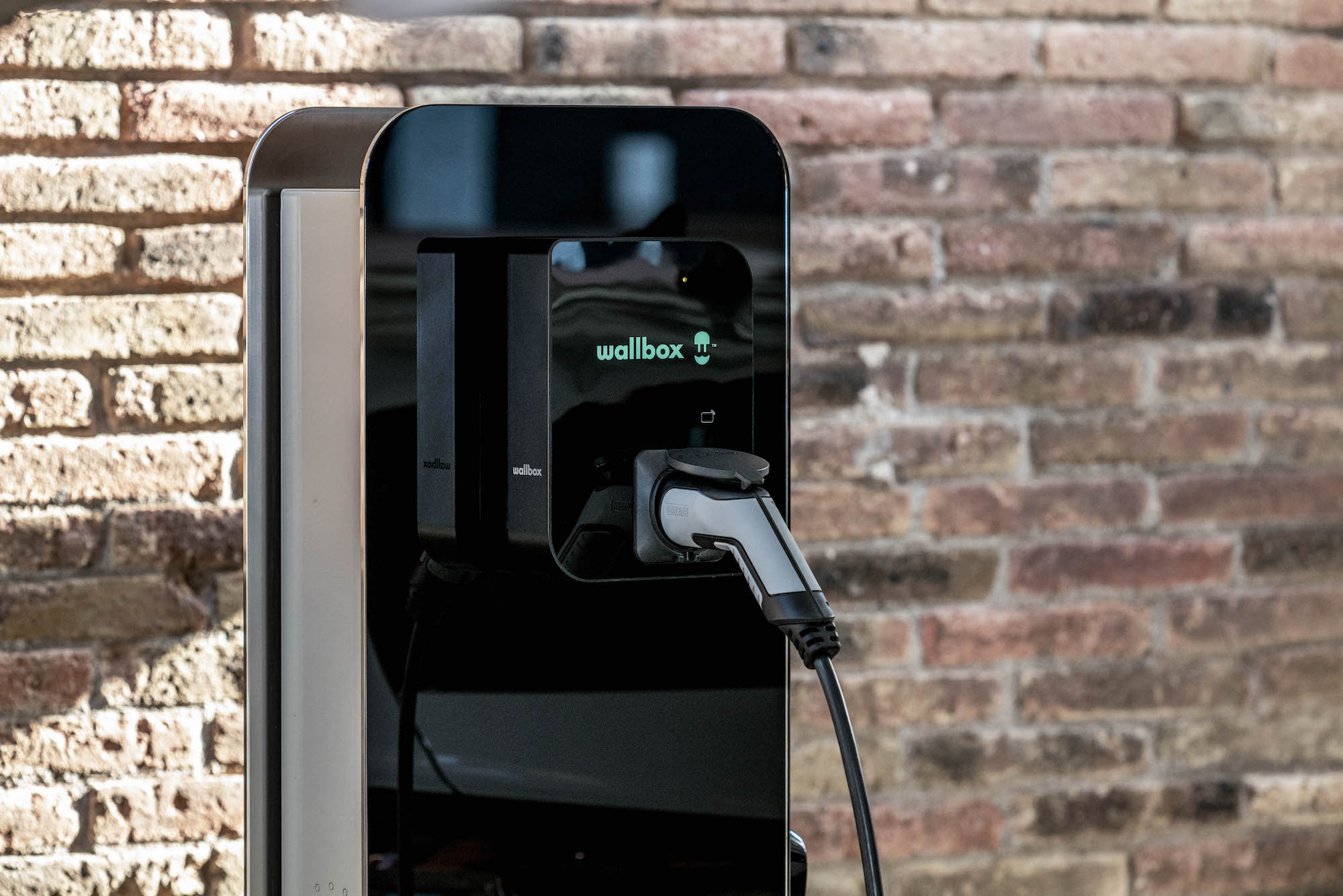
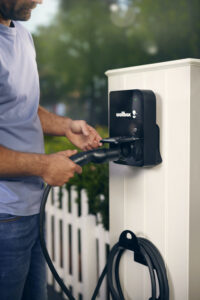
The private or domestic charging stations is designed for residential use. It requires initial installation by a qualified professional to ensure safety and compliance with electrical standards. Once installed, the private charging station enables you to recharge your electric vehicle at home, using a specific plug and cables. Different charging modes are available (slow charge, normal charge or fast charge), depending on the user’s needs and the electrical installation.
Public charging stations
Public charging stations are installed in places accessible to the general public, such as public parking lots, service stations, shopping malls and public spaces. These charging stations enable electric vehicle owners to recharge their vehicles while on the move. Public charging stations offer different types of connectors to suit different models of electric vehicle. In addition, they are often equipped with authentication and payment systems to facilitate their use. companies charging stations can also make them available to the general public.
Fast charging stations
Fast charging stations are designed to provide ultra-fast charging for electric vehicles. They use specific technologies, such as direct current (DC) and combined charging systems (CCS), to enable short charging times. Fast charging stations are mainly found along highways and busy roads, offering a convenient solution for long-distance journeys. However, it should be noted that the use of fast charging may entail higher costs and may have an impact on battery life.
How do home charging stations work?
Charging cables and charging modes
Private charging stations use special charging cables, usually supplied with the electric vehicle. These cables connect the charging station to the vehicle and transfer the electrical energy. Different charging modes are available: slow charging (using a conventional socket) and normal charging (using a dedicated socket), depending on the user’s needs and the power available.
Maximize the use of solar energy for more efficient charging and optimize the charging of your electric vehicles with ourbattery storage installation service.
Safety precautions for home charging stations
When using a home charging station, it’s important to take certain safety precautions. These includeregularly inspecting charging cables for signs of wear or damage, avoiding the use of inappropriate extension cords, and preventing electrical overloads by respecting recommended power limits.
How do public charging stations work?
Types of public charging stations
Public charging stations come in a variety of types, depending on the needs of the user. These includealternating current (AC) and direct current (DC) charging points. AC charging stations are generally used for slow and normal charging, while DC charging stations are used for fast charging of electric vehicles.
Accessibility and location of public charging stations
Public charging stations are spread across cities and regions, with strategic locations such as public parking lots, shopping malls and public places. To facilitate access and location of public charging stationsnumerous mobile applications and online platforms are available to users, offering information on availability, locations and sometimes even booking options.
What’s more, it’s worth noting that any owner of a private chargepoint has the option, if he or she so wishes and if the location of the chargepoint allows, of making it available to the public. In this way, the bollard will be listed as a charging point accessible to the public. However, it’s important to note that this type of bollard doesn’t always come with a charging cable. It is therefore necessary to use the cable supplied with the vehicle when charging. This initiative increases the number of available charging points and improves accessibility for electric vehicle users, offering more options for recharging their electric car.
Authentication and payment methods for public charging stations
Public charging stations use a variety of authentication and payment methods to facilitate their use. This can include the use of RFID cards,dedicated mobile applications, contactless payments or online billing services. These methods enable users to authenticate their identity and settle payment for the amount of energy used.
How do charging stations work?
Technologies used for fast charging
Fast charging stations use specific technologies to ensure short charging times. They are mainly DC-based, and use special connectors to deliver higher power to electric vehicles. What’s more fast charging stations can be compatible with different fast-charging standards, such as the Combined Charging System (CCS) or the CHAdeMO protocol.
The advantages and limitations of fast charging stations
Fast charging offers the advantage of reduced charging time, which is particularly useful on long journeys. However, using fast charging can result in higher costs compared with slow or normal charging. In addition, it’s important to note that fast charging can have an impact on long-term battery life.
What are the advantages of charging stations?
The environmental benefits of charging stations
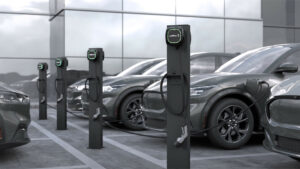
The use of electric charging stations helps to reduce greenhouse gas emissions and promote sustainable mobility. By recharging electric vehicles using renewable energy sources such as solar or wind power, electric charging stations considerably reduce the environmental impact of mobility.
The economic benefits of charging stations
In Belgium, charging stations offer fuel savings and tax deductions. These economic advantages encourage the adoption of electric vehicles and facilitate the installation of charging stations.
Find out more about the the benefits of electric charging stationsdiscover our article on the subject or contact our experts !
What are the best ways to use charging stations?
Efficiency tips for using charging stations
To make the most efficient use of charging stations, it’s a good idea to plan your journey taking into account the location of charging stations along the way. This optimizes charging time and avoids charging station saturation. In addition, it’s a good idea to use features such as charge scheduling to benefit from advantageous electricity rates, particularly during off-peak hours.
Safety measures for recharging electric vehicles
When charging electric vehicles, it is essential to take certain safety precautions. These includeregularly inspecting charging cables for signs of wear or damage,avoiding the use of unsuitable extension cords, and preventing electrical overloads by respecting recommended power limits.
Environmentally-friendly recharging practices
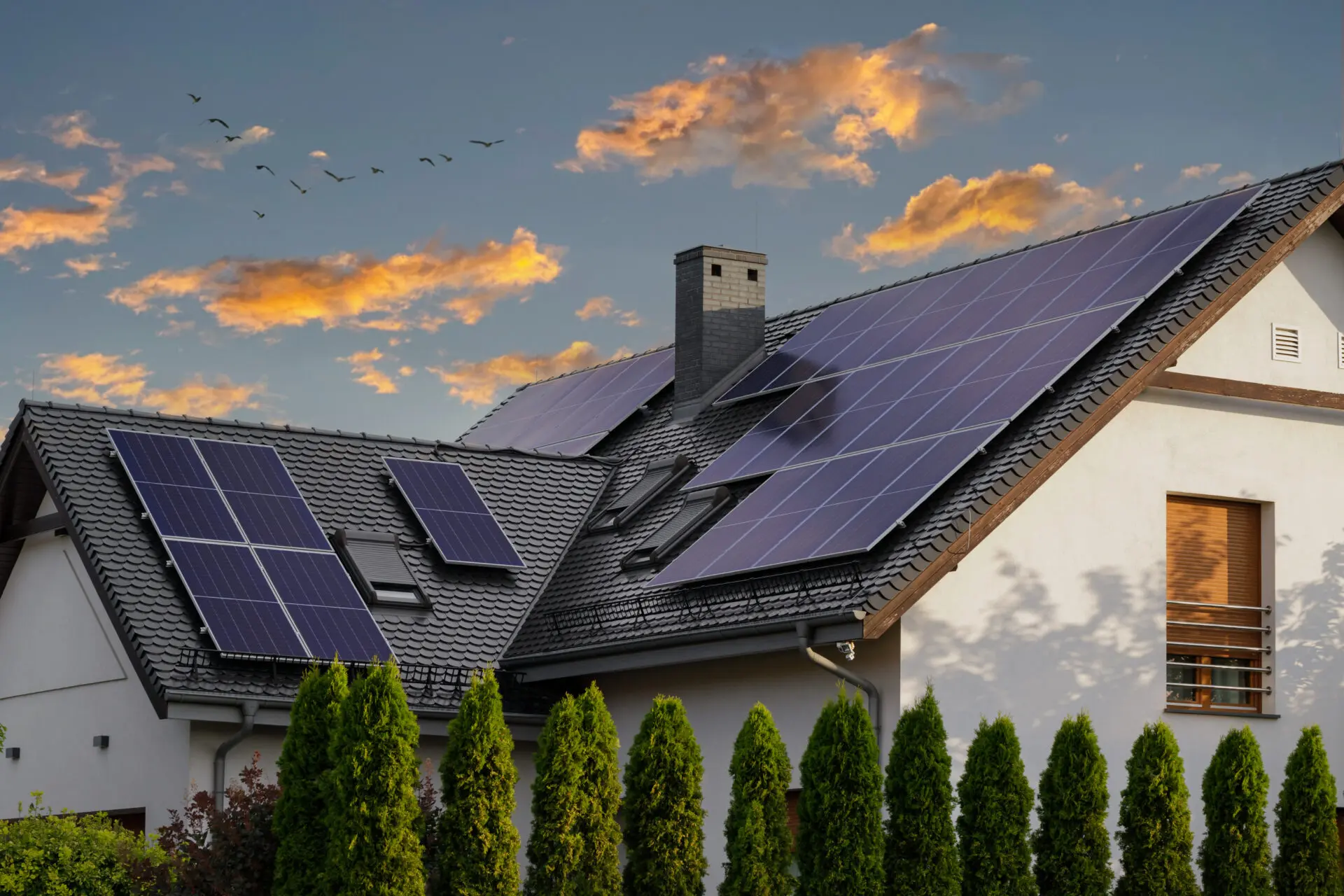
To help preserve the environment when charging electric vehicles, we recommend using renewable energy sources, such as charging stations powered by solar panels. In addition, participation in energy management programs, such as smart charging to balance energy demand, maximizes the efficiency of electric charging.
Do you have a question about charging stations?
If you’d like to find out more about charging stations, please contact us!
Our team of experts will be happy to answer your questions and help you find the best charging solution for your needs.