

With the increase in electric mobility individuals and businesses alike have the opportunity to install/use AC charging stations or DC charging stations. Each type of charging station offers specific advantages in terms of cost, charging speed and applications. Whether you’re looking to install a charging station at home or in a commercial facility, understanding the differences between alternating current (AC) and direct current (DC) will help you make an informed choice. This decision depends on a number of factors. In this article, we’ll guide you through the features of charging stations AC and DC charging stations to help you identify the ideal solution for your energy needs.
Contenu de l'article
What’s the difference between AC and DC charging stations?
When you plan to install an AC or DC charging stationscharging stations, it’s essential to understand the differences in operation, power and applications.
All about AC charging stations
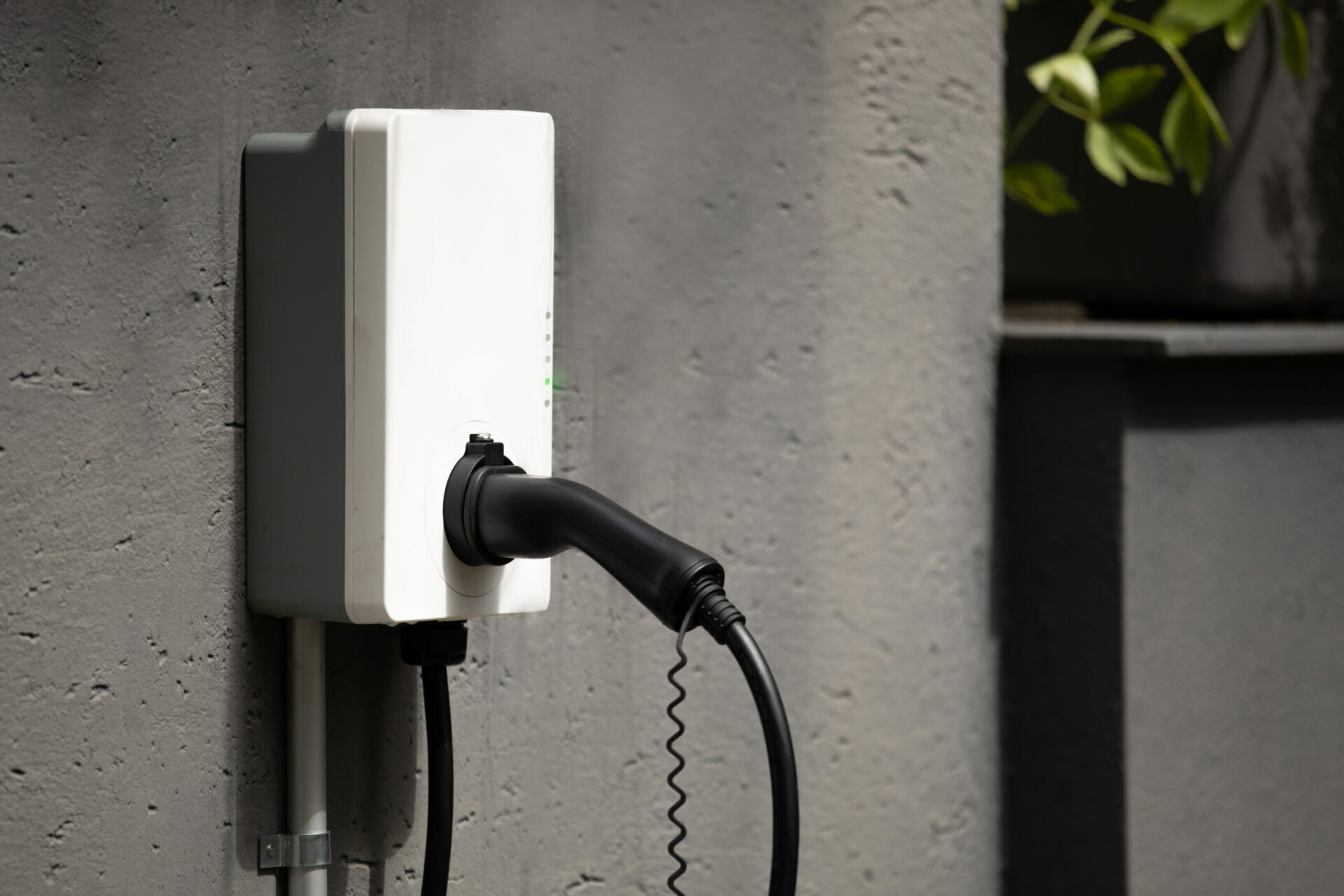
A AC charging station (alternating current) charging station uses alternating current from the electrical grid to power the electric vehicle. They are more commonly installed in homes and businesses, due to their ease of installation and affordable cost. AC charging stations generally deliver between 3.7 kW and 22 kW of power, enabling a vehicle’s battery to be recharged over an extended period of time, ideal for charging at night or during office hours.
All you need to know about DC charging stations
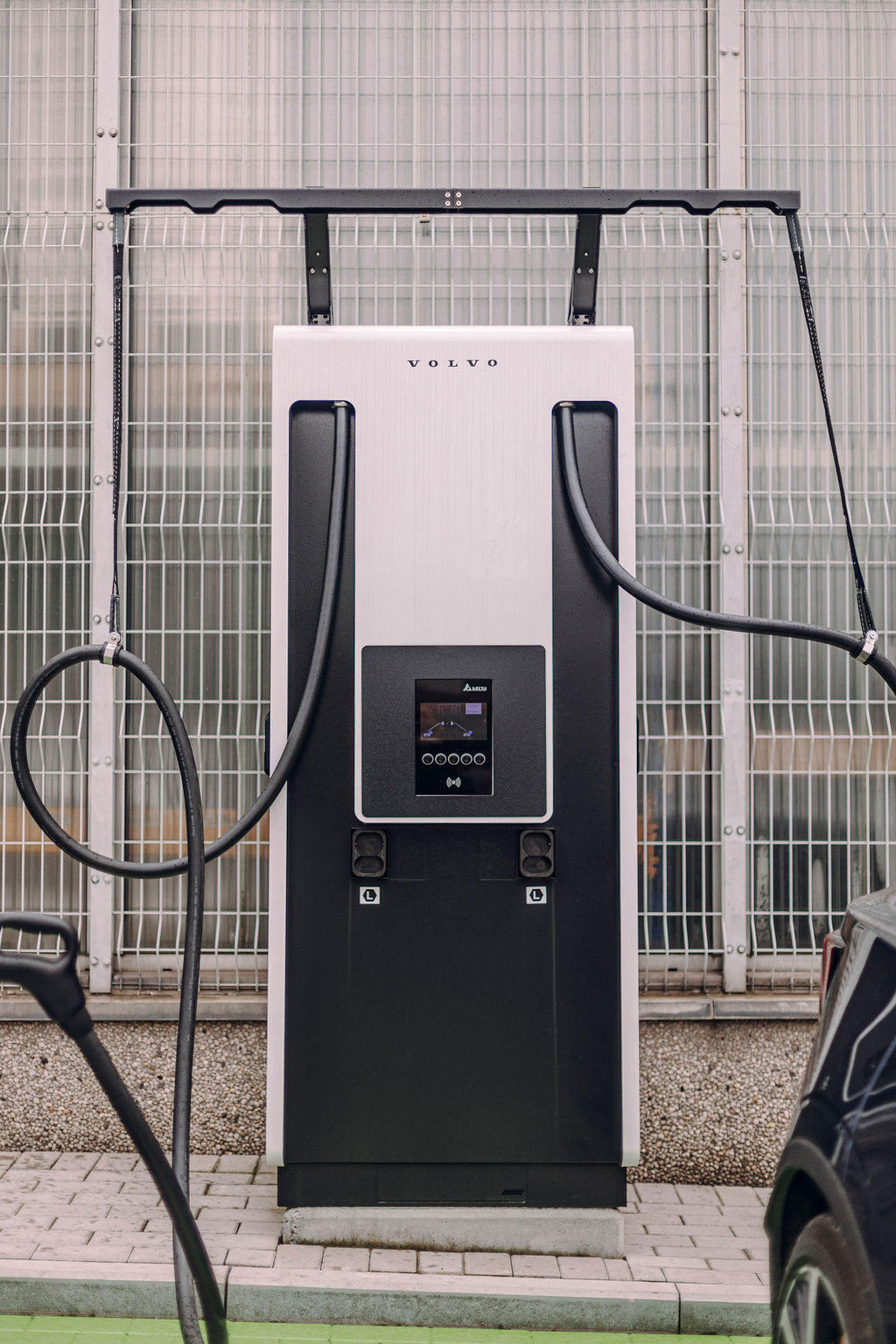
In contrast, a DC charging stations (direct current) charging station converts alternating current to direct current before sending it directly to the vehicle’s battery. This process eliminates the need for the vehicle’s on-board converter to manage the conversion, enabling the DC charging station to offer much higher power, often between 50 kW and 350 kW. Thanks to this increased power, a DC terminal can recharge an electric vehicle in a fraction of the time required by an AC terminal, making it ideal for public infrastructures, service stations and corporate fleets.
Summary of differences
In short, the main difference between an AC charging stations and DC charging stations charging stations is based on charging speed and the user’s needs. AC charging stations are perfect for everyday, economical use at home or at work, while DC charging stations are designed for fast recharging in commercial environments where time is of the essence.
What are the advantages of an AC charging station?
Opt for an AC charging stations charging station offers a number of advantages, particularly for private individuals and small businesses looking for an efficient, cost-effective recharging solution. Compared with DC charging stations AC charging stations charging station is often better suited to everyday charging needs at home or in the workplace. Here are the main advantages of an AC charging station:
1. Ease of installation
AC charging stations are simpler and less expensive to install than DC charging stations. They generally require few modifications to the existing electrical infrastructure, making them a practical and affordable solution for homes and small businesses.
2. Affordable cost
Compared with a DC charging station, an AC charging stations charging station represents a much more affordable initial investment. The cost of installation and reduced maintenance costs make them an attractive option for those looking to integrate electric mobility into their daily lives without making a large investment.
3. Efficient night-time recharging
AC charging stations are ideal for extended charging periods, such as at night or during office hours. With power ratings ranging from 3.7 kW to 22 kW, they can recharge an electric vehicle in several hours, covering a wide range of daily needs.
4. Universal compatibility
The charging stations are compatible with all electric vehicles on the market. available on the market. This makes them a flexible solution, with no need to worry about the different technical specifications of each vehicle.
5. Reducing energy costs with photovoltaics
The installation of an AC charging station can be easily coupled with photovoltaic panelsallowing you to recharge your vehicle with renewable energy. This not only cuts energy costs, but also reduces the carbon footprint associated with using your electric vehicle.
6. Low maintenance
Because of their simpler design, AC charging stations generally require less maintenance than DC charging stations. In the long term, this means lower maintenance costs and peace of mind for users.
In conclusion, when choosing between an AC or DC charging stationscharging stations, the AC terminal is the ideal solution for economical, convenient charging. It’s the perfect solution for both private and business customers for regular recharging, and is easy to install and maintain.
What are the advantages of a DC charging station?
If you’re deciding between AC and DC charging stations, it’s important to understand the specific advantages of a DC charging station. Designed to offer superior charging performance, DC charging stations are particularly suited to environments requiring fast, frequent recharging. Here are the main advantages of a DC charging station:
1. Ultra-fast recharge speed
The main advantage of a DC charging station is its ability to recharge an electric vehicle at a much faster rate than AC stations. With outputs ranging from 50 kW to over 350 kW, a DC charging station can recharge a battery in just 20 to 30 minutes, depending on the vehicle’s battery capacity. This makes it ideal for public charging stations, corporate fleets or electric cabs, where recharging time needs to be kept to a minimum.
2. Suitable for high-traffic environments
DC charging stations are designed for high-demand locations such as shopping malls, airports and large businesses. They make it possible to manage several vehicles simultaneously and ensure rapid user turnover, which is essential in these high-frequency environments.
3. Efficiency for vehicle fleets
For companies with fleets of electric vehicles, a DC charging station is the ideal solution. It enables vehicles to be recharged quickly and back in service within a short space of time. This helps maximize operational efficiency and minimize downtime.
4. Advanced technology and intelligent management
DC charging stations often incorporate advanced technologies, such as intelligent charging management and communication with the grid via protocols like OCPP. This enables better energy management and flexible power distribution according to user needs.
5. Adapting to fast-charging needs
When it comes to choosing between an AC or DC charging stationsWhen it comes to choosing between an AC or DC charging station, the DC station is the ideal solution for those who need fast charging. It is particularly useful for long journeys, or in situations where night-time or prolonged charging is not a viable option. In a short space of time, a DC terminal can provide the energy needed to continue the journey or service.
6. Ideal solution for public infrastructures
DC charging stations are commonly found in public charging stations and service stations, enabling drivers to recharge their vehicles quickly before setting off again. This type of terminal is therefore an indispensable solution for infrastructures with large flows of electric vehicles.
In short, although DC terminals are more expensive to install and maintain than AC terminals, they offer unrivalled advantages in terms of speed and performance. When considering an AC or DC charging stationsDC charging stations are the best choice for environments requiring fast charging and more complex management capabilities.

How does charging power affect charging times between AC and DC charging stations?
When choosing an AC or DC charging stationscharging station, recharging power is a decisive factor that directly influences the time required to recharge an electric vehicle’s battery.. Understanding the impact of charging power enables you to make an informed choice, adapted to your specific needs, whether for domestic or commercial use.
1. AC terminal power
Visit AC charging stations (alternating current) charging stations generally offer between 3.7 kW and 22 kW of power. This more moderate power rating means that recharging takes longer, but is perfectly suited to extended recharging, such as overnight at home or during the day at the workplace. For example, with an 11 kW AC terminal, it will take around 4 to 6 hours to fully recharge a car with a 50 kWh battery. This is ideal for users who don’t need to recharge their vehicle quickly, and can do so when parked for long periods.
2. DC terminal power
In contrast, a DC (direct current) charging stations (direct current) charging station delivers much higher power, from 50 kW to over 350 kW. This rapid recharging capacity considerably reduces the time needed to recharge a vehicle. For example, with a 150 kW DC charging station, the same vehicle with a 50 kWh battery could be recharged to 80% in around 30 minutes. This type of power is ideal for fleets of vehicles, public charging stations or long-distance journeys, where recharging time needs to be minimized.
3. The influence of battery capacity
It’s important to note that recharging time also depends on the capacity of the vehicle’s battery. The larger the battery, the longer it will take to recharge, even at high power. However, the AC or DC charging stations you choose charging station you choose will play a part in optimizing this time. For users needing frequent and rapid recharging, a DC terminal will be the best choice. Conversely, if recharging can be carried out over a long period, an AC terminal is an economical and efficient option.
4. What’s the impact on your needs?
The choice between between AC and DC charging stations charging station largely depends on your needs in terms of charging frequency and speed. If you can leave your vehicle plugged in for several hours, an AC charging station will be sufficient. On the other hand, for more intensive use or in a professional context, the higher charging power of a DC station will enable you to maximize the efficiency of your operations.
In short, charging power directly determines the time required to recharge an electric vehicle. AC charging stations are ideal for longer, more economical recharges, while DC charging stations, with their high power, offer fast recharges, suitable for environments where time is a critical factor.
Environmental aspects: The importance of renewable energies
The integration of renewable energies with an AC or DC charging stations charging station is essential to minimize the environmental impact of electric vehicles. By using green energy sources, such as photovoltaic panelspanels, to power charging stationsyou significantly reduce CO₂ emissions linked to recharging. AC charging stations, often coupled with domestic solar installations, enable slower but environmentally-friendly recharging, while DC charging stations, although more energy-intensive, can also be powered by renewable sources in commercial environments. This approach promotes responsible energy consumption and contributes to the transition towards sustainable mobility.
AC or DC charging stations: which solution should you choose?
The choice between between AC and DC charging stations charging station depends on your specific charging needs. If you’re looking for an economical solution for everyday use, an AC charging station is ideal for homes and small businesses, thanks to its simplicity and low cost. On the other hand, if speed is of the essence, particularly for corporate fleets or public charging stations, a DC terminal is the perfect solution, with its fast recharging capabilities.
At Vecturawe’re here to help you make the right choice, with customized solutions tailored to your energy needs. Contact us today for expert adviceexperts and a customized quote for the installation of your charging stations AC or DC charging station.