


With the rise of electric vehicles, more and more companies are looking to reduce the cost of recharging their employees’ electric cars. Not only does this help keep costs under control, it is also part of a sustainable development policy. In this article, we look at various methods of reducing the cost of recharging electric cars, such as installing photovoltaic panels, reviewing energy contracts and optimizing recharging periods.
Contenu de l'article
What is the average cost of recharging an electric car?
The cost of charging an electric car can vary according to a number of factors, such as the price of electricity, the capacity of the vehicle’s battery and the rates charged by public charging stations. On average, the cost of recharging an electric car is between €0.30 and €0.70 per kWh.
What influences the cost of recharging an electric car?
Electricity prices
The price of electricity is one of the main factors influencing the cost of recharging an electric car. Electricity rates can vary considerably from one supplier to another, and according to the time of day. For example, rates are often lower during off-peak hours.
Battery capacity
The capacity of an electric vehicle’s battery also plays a role in the cost of recharging an electric car. The greater the battery capacity, the higher the cost of a full recharge. It’s important to know your vehicle’s battery capacity to correctly estimate the cost of recharging.
Type of charging stations
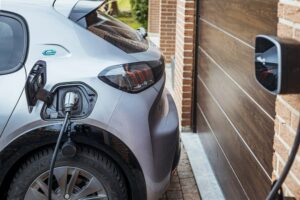
The type of charging station used can also influence the cost of recharging an electric car. Home charging stations are generally cheaper to use than public fast charging stations. Public fast charging stations may charge a higher rate because of the convenience and charging speed they offer.
By taking these factors into account, you can better understand and manage the cost of recharging your employees’ electric cars, optimizing the savings and efficiency of your electric vehicle fleet.
How do I calculate the cost of a refill?
Calculating the cost of recharging an electric car is relatively simple, based on a basic formula. Here’s how to determine the exact cost.
How to calculate the cost of recharging an electric car
Charging cost (€) = Battery capacity (kWh) × Electricity price (€/kWh)
Calculation example
Suppose you have an electric car with a 50 kWh battery and the price of electricity is €0.20 per kWh. The calculation of the cost of recharging would then be :
50 kWh × €0.20/kWh = €10
This amount represents the cost of a full battery recharge.
Variables to consider
Initial state of charge
If the battery is not completely discharged, the cost of recharging will be proportionately lower. For example, if the battery is already at 20% capacity, you’ll only need to recharge the remaining 80%, reducing the total cost of recharging.
Charging efficiency
Energy losses can occur during the recharging process, although they are usually minimal. These losses may slightly affect the total cost of recharging, but are often negligible in the overall calculation.
By understanding these variables and using the basic formula, you can accurately estimate the cost of charging your employees’ electric cars, enabling better management of energy costs and optimization of resources.
Using photovoltaic panels to reduce the cost of recharging electric cars

Advantages of photovoltaic panels
Installing photovoltaic panels is a sustainable and economical solution for reducing the cost of recharging electric cars. Photovoltaic panels generate electricity from solar energy, a renewable and free source. This electricity can then be used to recharge electric vehicles, reducing dependence on energy suppliers and the associated costs.
Installation and maintenance
To maximize the benefits of photovoltaic panels, it’s essential to plan their installation carefully. Here are a few key points to consider:
- Energy audit: Evaluate your energy needs to correctly size your installation.
- Location: Choose an optimal location to maximize sun exposure.
- Maintenance: Ensure that panels are regularly maintained to guarantee their efficiency.
Review your energy contract
Compare available offers
Another way to reduce the cost of recharging electric cars is to review your energy contract. Comparing offers from different suppliers can help you find better rates. Consider the following points:
- Prime rates: Compare the fixed and variable costs of different offers.
- Green energy options: Opt for contracts that include renewable energy for a more sustainable solution.
Negotiating with your supplier
Once you’ve compared offers, it may be worth negotiating with your current supplier. Explain your specific needs and see if it’s possible to get a reduced rate or better conditions for electric vehicle charging.
Charging your electric car at off-peak times
Understanding off-peak times
Off-peak hours are periods of the day when demand for electricity is lower and tariffs are generally reduced. By encouraging your employees to charge their electric cars during these periods, you can make significant savings.
Programming the recharge
To take full advantage of off-peak times, it’s a good idea to schedule electric vehicle charging. Here are a few tips to help you do just that:
- Using vehicle functions: Most electric cars allow you to program charging times via their management system.
- Installation of intelligent charging stations: These charging stations can be programmed to start charging only during off-peak hours.
Employee awareness
Informing your employees about the benefits of charging during off-peak hours is advisable. Organize information sessions and provide practical guides to help them understand how to schedule their recharges.
Reduce the cost of recharging your employees’ electric cars for efficient, sustainable management
Reducing the cost of recharging your employees’ electric cars is a winning strategy for companies wishing to combine financial savings with a commitment to the environment. By adopting solutions such as installing photovoltaic panels, reviewing energy contracts and charging during off-peak hours, you can optimize costs while supporting the energy transition. By raising awareness among your employees and putting the right infrastructure in place, you can maximize the benefits of these initiatives, contributing to a more sustainable and economically viable future.
Contact us today to find out how Vectura can help you optimize your employees’ electric car charging and implement sustainable, cost-effective energy solutions. Together, let’s take a step towards a greener, more economical future.