

In a world where the energy transition has become a priority, condominiums and building associations are increasingly turning to innovative, sustainable solutions to manage their energy consumption. Among these solutions, energy communities are emerging as an effective response to today’s environmental and economic challenges. These communities represent a real revolution for condominiums and unions, offering them not only a path to greater energy autonomy, but also an opportunity to play an active role in the energy transition. Vectura, a leading installer of energy solutions in the Walloon region, offers a comprehensive overview of this energy revolution. This article explores the concept of energy communities in depth, revealing their specific benefits for condominiums and building managers, the steps involved in setting them up, the grants available in the Walloon region, and how Vectura can support you in this process. By joining this initiative, condominiums and building managers can not only make a significant contribution to a healthier environment, but also enjoy tangible economic benefits. Let’s dive into the world of energy communities together, one step closer to a more responsible and collaborative energy future.
Contenu de l'article
What is an energy community?
An energy community in Wallonia is a new model in the energy landscape, embodying an evolution towards more collaborative and sustainable energy production and consumption. This innovative concept aims to bring together individuals, businesses, local authorities and, above all, building owners to produce, manage and share renewable energy within a single community or locality.
Become an energy producer as well as a consumer in Wallonia
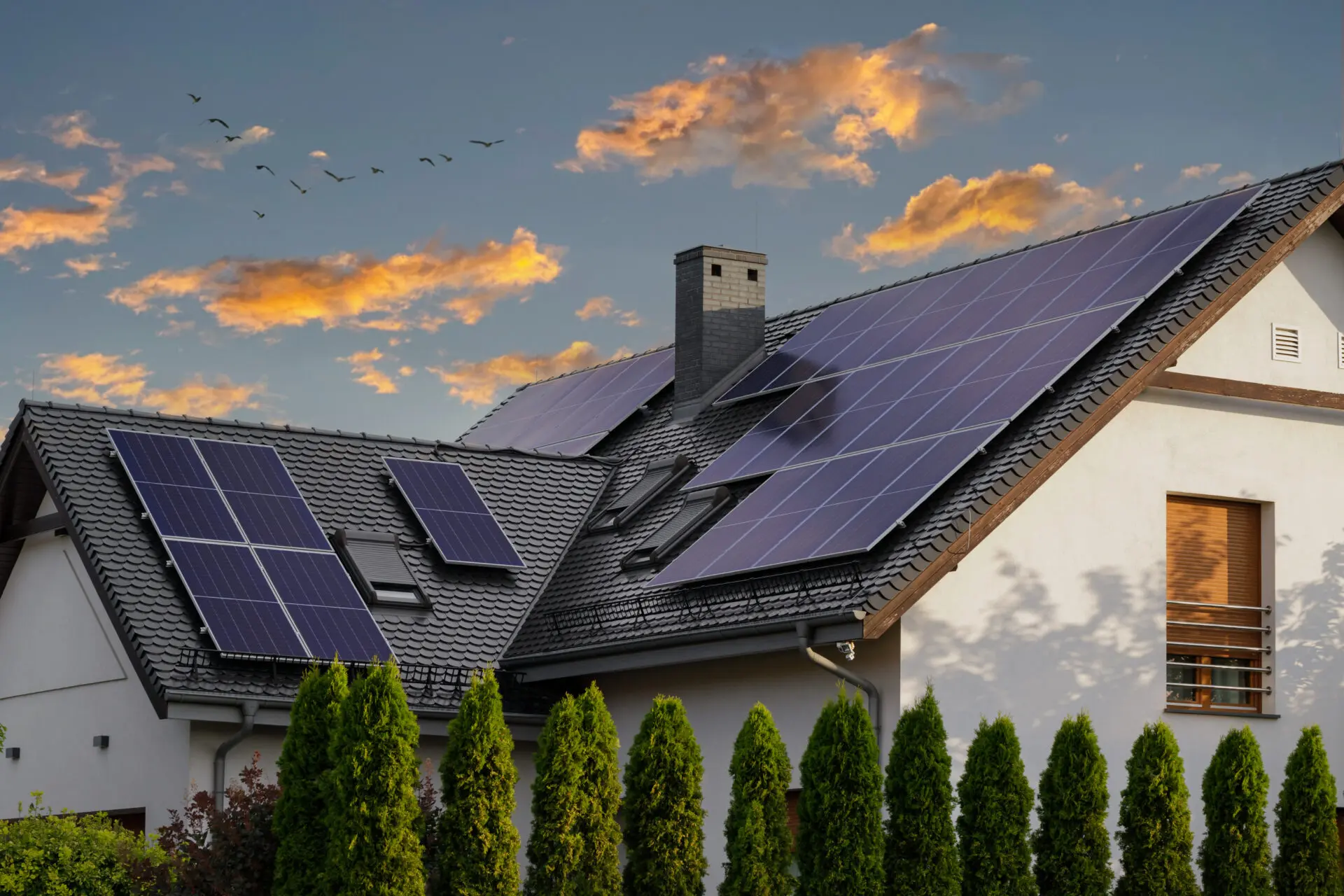
The basic principle of an energy community is to transform its members into active players in the energy sector. Instead of being mere consumers, they become directly involved in the production of renewable energy. Take the example of a condominium that installs photovoltaic panels on its roof. This installation not only produces solar energy for its own needs, but also offers the possibility of sharing surplus electricity with other community members or selling it to the grid. This creates a model of energy autonomy, strengthening the community’s resilience in the face of energy market fluctuations.
What are the advantages of an energy community?
The advantages of energy communities are manifold:
- in terms of environmental sustainability: the energy produced is said to be “green”.
- in terms of energy costs: by producing their own energy, members can significantly reduce their dependence on traditional energy suppliers, resulting in lower energy bills.
- in terms of savings: pooling resources enables members to achieve economies of scale when acquiring and installing energy equipment.
What’s the vision in Wallonia?
In the Walloon region, the establishment of energy communities is encouraged by a solid legislative framework and government initiatives, including the release of 7 million euros to support these projects. This regional commitment highlights the desire to promote collective energy solutions that align with sustainability and social inclusion objectives.
To sum up, here’s a diagram to help you visualize how an energy community works:
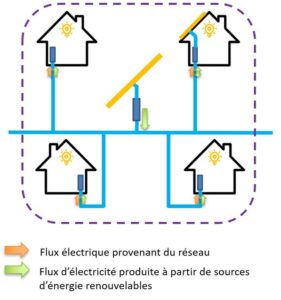
In conclusion, an energy community in Wallonia is not just an ecological project, but also a social and economic enterprise, uniting citizens around a common goal: to actively participate in a greener, more inclusive energy transition.
What are the advantages of energy communities for condominiums and building associations?
The integration of energy communities into condominiums and management by building managers offers a multitude of economic, environmental and social benefits. Here are the main benefits:
Lower energy costs
One of the most significant benefits of energy communities is the reduction in energy costs. By generating renewable electricity, condominiums can significantly reduce their dependence on traditional energy suppliers, resulting in substantial savings on electricity bills.
Energy self-sufficiency
Energy communities enable condominiums to gain autonomy from the traditional electricity grid. They can produce up to 50% of a condominium’s energy consumption, giving them greater independence and protection against fluctuations in market prices.
Real estate valuation
Buildings that are part of an energy community can increase their real estate value. The installation of renewable energy equipment and participation in an ecological and sustainable project are attractive assets for potential buyers and tenants.
Positive environmental impact
By promoting the use of renewable energies, energy communities help to reduce the carbon footprint of buildings. This not only helps combat climate change, but also improves local air quality, which in turn benefits residents’ health.
In conclusion, energy communities offer condominiums and building managers a unique opportunity to become actively involved in the energy transition, while enjoying substantial economic, environmental and social benefits.
How do you set up an energy community in your building?
Setting up an energy community in a building or condominium is an ambitious project requiring meticulous planning and coordination. Here are the key stages, enriched with relevant key words, concrete examples and data to help you succeed:
Energy assessment and audit
The first step is to carry out an energy assessment of the building. This involves an audit to identify energy needs, the potential for installing renewable equipment (such as solar panels), and potential obstacles (such as structural or regulatory limitations).
Forming a project group
Set up a project group made up of interested residents, the property manager and, if possible, energy experts. This group will be responsible for steering the project from planning to execution.
Consulting and involving residents
It’s essential to involve all residents from the outset. Organize information meetings to explain the benefits of an energy community and gather opinions and support. The commitment of residents is essential to the success of the project.
Choice of technologies and suppliers
Based on the energy audit, select the most appropriate technologies (solar panels, storage batteries, etc.) and suppliers or installers. Request several quotes for a detailed comparison.
Financial planning and fundraising
Draw up a detailed financial plan, including installation and maintenance costs, and anticipated savings. Explore financing options, including subsidies and grants available in the Walloon region.
Legal and administrative compliance
Make sure you comply with all local and national regulations. This may include obtaining building permits and complying with safety standards.
Installation and commissioning
Once all approvals have been obtained and financing secured, proceed with the installation of the equipment. After installation, make sure everything is working properly and that residents are informed about how to use the system.
Management and follow-up
Set up a management system to monitor energy production and distribution. Ensure regular monitoring to optimize performance and quickly resolve any technical problems.
Ongoing communication and awareness-raising
Keep residents informed and involved in managing the energy community. Hold regular meetings to discuss performance, savings and possible improvements.
By following these steps, condominiums and building managers can effectively set up an energy community, contributing to a more sustainable future while enjoying its many benefits.
How can I get help from the Walloon Region?
The Walloon region, aware of the importance of the energy transition, offers various grants and subsidies to encourage and support the establishment of energy communities. These grants are designed to alleviate initial costs and encourage the adoption of sustainable energy technologies. Here are some of the main grants available:
Subsidies for the installation of renewable energy equipment
Wallonia offers subsidies for the installation of renewable technologies such as photovoltaic solar panelssolar panels energy storage systemsand charging stations for electric vehicles. These subsidies are designed to reduce installation costs and make these technologies more accessible.
Energy bonuses
Co-ownerships can benefit from energy bonuses for energy efficiency work. These bonuses can cover part of the cost of insulation, heating, ventilation and other energy improvements.
7 million euro fund for energy communities
As previously mentioned, the Walloon government recently allocated 7 million euros to specifically support energy community projects. This fund is intended to facilitate the start-up of these projects before March, by providing significant financial support.
Consultation and expertise aids
For condominiums wishing to embark on an energy community project but lacking the technical know-how, the Walloon region also offers assistance for expert advice and feasibility and feasibility studies.
Advantageous credits and loans
In addition to direct subsidies, financing options in the form of low-interest loans or low-interest credits are available to help cover the initial costs of renewable energy projects.
Training and awareness programs
The Walloon region also offers training programs and seminars to raise awareness among residents and building managers of the benefits of energy communities and the best practices for implementing them.
Technical support and assistance
Accompaniment and technical support services are available to help condominiums navigate the administrative and technical steps involved in setting up an energy community.
It is important to note that these aids are often updated and may vary according to regional guidelines. If in doubt, don’t hesitate to contact our experts with the latest information and ask any questions you may have.
How can Vectura help you set up a shared energy system in Wallonia?
As a specialist in sustainable energy solutions, Vectura plays a key role in helping condominiums and building managers set up energy communities. Our personalized approach and technical expertise guarantee a smooth and efficient energy transition for your project. Here’s how Vectura can help:
- Personalized support: At Vectura, we understand that every project is unique. We therefore offer personalized support to ensure that the proposed solution perfectly matches your specific needs, the configuration of your building and your energy objectives.
- Assistance with administrative formalities: Navigating the maze of administrative formalities can be complex and time-consuming. Vectura simplifies this process by helping you prepare and manage the administrative paperwork required to set up your energy community. From obtaining the necessary permits to securing regional grants and subsidies, we’re with you every step of the way.
- Professional solar panel installation: As experts in energy solutions, we install high-quality solar panels. Our team of certified installers guarantees installation in compliance with safety and efficiency standards, ensuring that your solar system is optimized for maximum energy production.
- Aftercare and maintenance: After installation, Vectura continues to provide support through an aftercare and maintenance service. This not only ensures the smooth operation of your energy system, but also contributes to its longevity and efficiency over the long term.
- Awareness and training: We believe in the importance of educating residents about the use and management of their energy community. Vectura offers training sessions to help community members understand and effectively manage their new energy system.
In conclusion, Vectura is your ideal partner for transforming your condominium into an efficient and sustainable energy community. Our expertise, combined with our commitment to quality customer service, makes Vectura the preferred choice to guide you through this essential energy transition. Don’t wait any longer and contact us now to set up your energy community project!
This article was written according to official sources: