

Energy storage batteries play an important role in the transition to a more sustainable and efficient energy future. By making it possible to store electricity generated by renewable sources such as solar and wind power, these batteries help to reduce our dependence on fossil fuels for your home or business in Wallonia, and to stabilize electricity grids.
In this article, we explore the different types of battery, their advantages and how they work.
Contenu de l'article
What’s the best type of solar battery?

There are many different types of solar batteries available on the market. Choosing the right type of domestic battery depends on your needs, usage and budget.
Here are some of the most common types of solar battery:
- Lead-acid batteries
Lead-acid batteries are one of the most common and oldest types of domestic battery. They are more economical, but have a limited lifespan and efficiency. They are an excellent choice for use where lower capacity is required, or where the budget is tighter.
- Lithium-ion batteries
Lithium-ion (Li-ion) batteries are today’s most widespread energy storage technology. They offer high energy density, long life and low self-discharge. Li-ion batteries are used in a wide range of applications, from residential systems to large-scale power grids.
- Sodium-Sulfur Batteries
These batteries are designed for large-scale use, particularly for high-capacity storage of energy generated by renewable sources. Sodium-sulfur batteries have excellent energy density and are ideal for balancing power grid fluctuations.
- Lead-carbon batteries
Lead-carbon batteries combine the advantages of lead-acid and carbon batteries, offering greater efficiency and durability. They are more resistant to deep charge and discharge cycles, making them a solid choice for demanding solar storage systems.
- Flow batteries
Flow batteries, such as vanadium-redox batteries, store energy in the form of charged liquids. They are modular, which means their storage capacity can be adjusted simply by adding more liquid. These batteries are ideal for long-term storage and grid regulation.
- Lithium-iron-phosphate (LiFePO4) batteries
This specific variant of Li-ion batteries is renowned for its thermal stability and long service life. LiFePO4 batteries are often used in residential solar systems because of their safety and consistent performance.
- Graphene batteries
Although still under development, graphene batteries are attracting a great deal of interest because of their high electrical and thermal conductivity. Their capacity and charging speed could revolutionize energy storage.
- Supercapacitors
Although not strictly batteries, supercapacitors are promising energy storage devices. They are characterized by their ability to store and release energy rapidly, making them suitable for applications requiring high power peaks, such as voltage regulation on power grids.
How does a solar battery work?
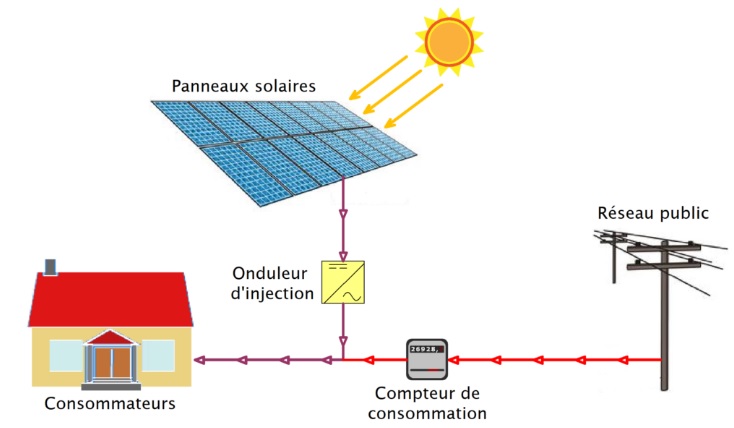
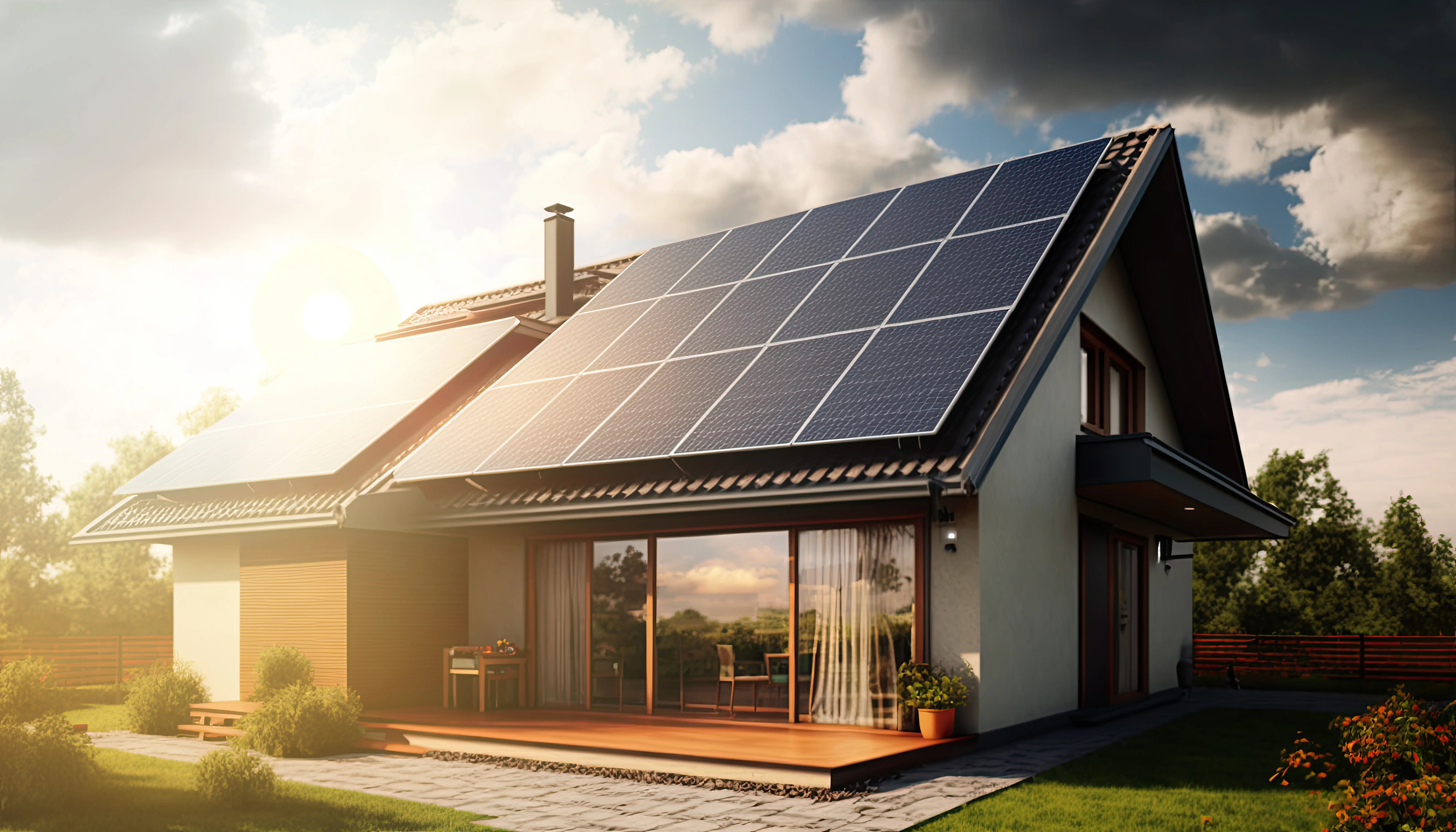
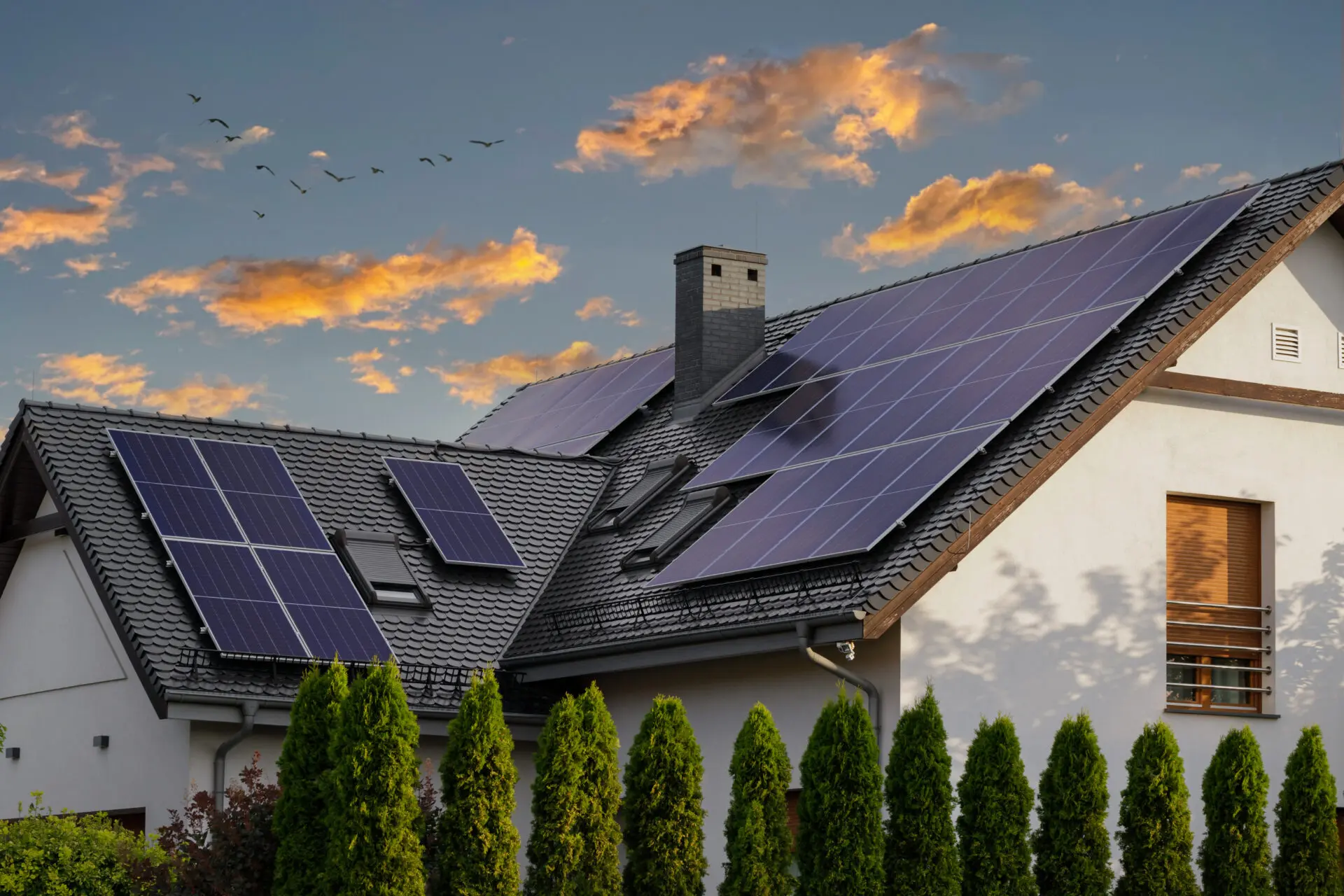
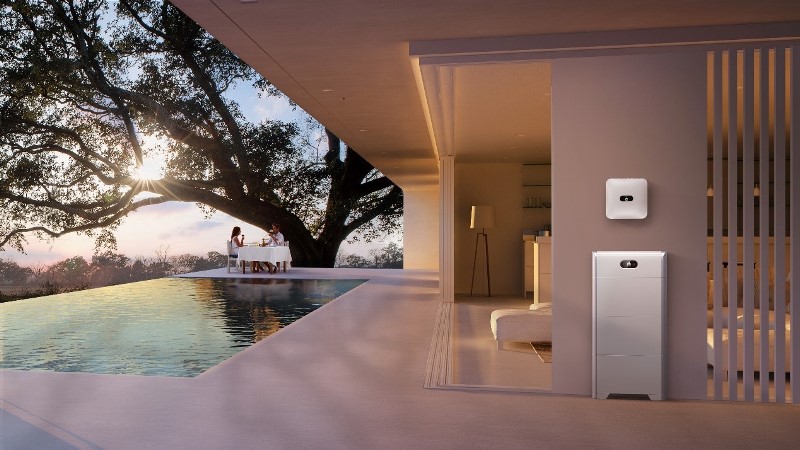
The solar battery stores the solar energy produced by the photovoltaic panels for use when the sun isn’t shining. To operate a home battery, you first need to install your photovoltaic panels. Photovoltaic panels convert the sun’s energy into electricity (Alternating Current). The electricity produced by the photovoltaic panels is then sent to the inverter, which converts AC into DC, Direct Current. The direct current is then sent to the solar battery, which stores the electrical energy. When you need electricity, the solar battery supplies power to your home’s electrical grid.
The different stages :
- Converting solar energy into electricity: Solar panels capture sunlight and convert it into direct current (DC) electricity using photovoltaic cells. This electricity, generated in the form of direct current, is then fed into the solar inverter.
- Conversion to alternating current (AC): The solar inverter converts the direct current produced by the solar panels into alternating current (AC), which is the type of electricity used in most homes and electrical appliances.
- Direct consumption and surplus energy: The electricity generated by solar panels can be used directly to power your home’s electrical appliances. If solar production exceeds real-time consumption, excess energy can either be fed into the electricity grid (if your system is connected to the grid), or stored in a solar battery.
- Energy storage: When the electricity generated by the solar panels exceeds immediate demand, and the solar battery is ready to be charged, the excess energy is directed to the battery for recharging. The battery stores this energy in chemical form, usually in the form of an electrochemical reaction.
- Releasing stored energy: During periods of low solar production, such as at night or when the solar panels produce little electricity due to poor weather conditions, the solar battery discharges to provide electricity for your home. The stored electricity is converted into alternating current by the inverter and powers your electrical appliances.
- Intelligent energy management: Many solar storage systems are equipped with intelligent management systems that optimize the charging and discharging of the solar battery according to various factors, such as energy demand, electricity tariffs and weather conditions. This ensures efficient use of the stored energy.
A domestic battery therefore works by storing the electrical energy generated by solar panels during periods of surplus production, then releasing it when electricity demand is higher than solar production, thus optimizing the use of solar energy and reducing dependence on the conventional power grid.
How long does a solar battery last?
The service life of a domestic battery depends on many factors, such as the type of battery, battery quality, conditions of use and maintenance. In general, a
How to choose a solar battery?
Choosing a solar battery depends on a number of factors, including your energy requirements, budget, battery technology, etc.
Here are a few steps to help you choose the home battery that best suits your needs:
- Evaluate your energy needs: Start by determining how much energy you consume on a daily basis, and at what times of the day you need more electricity. This will help you estimate the storage capacity you need.
- Choose your battery technology: There are several different solar battery technologies, such as lead-acid batteries, lithium-ion batteries, sodium-ion batteries and so on. Each technology has its own advantages and disadvantages in terms of performance, lifespan, cost and safety. Choose the one that best suits your needs and budget.
- Consider storage capacity: The storage capacity of a home battery determines how much energy it can store. Make sure you choose a battery capacity that meets your daily needs, while taking into account the possibility of future expansion requirements.
- Evaluate service life: Different battery technologies have different service lives. Take battery life into account when calculating long-term total cost of ownership.
- Think efficiency: Some domestic batteries have higher efficiency rates than others in terms of energy storage and release. Opt for a battery that offers high efficiency to maximize the use of stored energy.
- Integration with your existing solar system: Make sure the home battery is compatible with your existing solar system, including the inverter.
- Consult the experts: We recommend that you seek advice from solar energy professionals for advice tailored to your situation and objectives. They can help you assess your energy needs, choose the best battery technology and design a suitable storage system.
Ultimately, choosing a solar battery requires a thorough analysis of your needs, situation and available options. Take your time to make an informed decision that best suits your solar energy and storage needs.
How do I maintain a solar battery?
To ensure that your solar battery functions properly and lasts a long time, it’s important to maintain it regularly.
Here are a few tips for maintaining your solar battery:
- Check the water level in the house battery regularly. If you use lead-acid batteries, they need to be topped up with water from time to time. Make sure that the plates are always immersed to avoid damage caused by sulfation. Use distilled water to maintain the electrolyte level if necessary.
- Check voltage and charge: Regularly monitor solar battery voltage for any deviation from normal voltage. Follow the manufacturer’s recommendations for charging voltage and depth of discharge.
- Clean terminals and connections regularly: Battery terminals and connections can become dirty over time, leading to poor electrical conductivity. Clean them regularly with a clean wire brush to maintain good connections.
- Charge the battery regularly. A solar battery needs to be charged regularly, even if you’re not using it, so as not to reduce its lifespan. Solar batteries generally work best when kept within a specific charge range, usually between 20% and 80%.
- Monitor temperatures: Extreme temperatures can have an impact on battery performance and life. Make sure batteries are installed in a well-ventilated area, away from extreme temperatures. High temperatures can accelerate battery degradation, while low temperatures can reduce efficiency.
- Follow the manufacturer’s instructions: Each type of battery has its own specific maintenance requirements. Always follow the manufacturer’s recommendations regarding charging, discharging, maintenance and battery life.
- Have your system serviced regularly: In addition to battery maintenance, make sure the entire solar storage system is inspected and serviced regularly by qualified professionals. This may include checking solar panels, inverters and other system components.
Regular and careful maintenance of your solar battery is essential to maximize its lifespan and ensure optimal operation of your solar energy storage system. Careful attention to detail, manufacturer recommendations and the operating environment will help ensure that your investment in solar energy remains profitable and sustainable.
What are the advantages of home batteries?
Solar batteries offer several important advantages in the context of solar energy and storage systems. Here are some of the main advantages of solar batteries:
1. Storage of surplus energy
One of the most obvious advantages of solar batteries is their ability to store excess energy produced by solar panels during sunny periods. This allows this energy to be used later, such as at night or on cloudy days, increasing self-consumption and reducing dependence on the power grid.
2. Maximizing self-consumption
By storing and using solar energy generated on site, solar batteries enable home and business owners to maximize self-consumption, reducing the cost of supplying electricity from the public grid.
3. Lower electricity bills
The use of solar batteries can significantly reduce electricity bills by allowing users to take advantage of free solar energy during peak hours, when electricity rates are generally higher.
4. Energy flexibility
Solar batteries offer greater flexibility in energy management. You can choose when to use the stored energy according to your needs, which is particularly useful in the event of power cuts or to meet peaks in energy demand.
5. Power failure support
If your solar storage system is paired with a backup inverter, you’ll be able to continue powering essential appliances during power outages, which can be crucial to maintaining the comfort and safety of your home.
6. Improving network stability
Solar batteries can help to improve the stability of the electricity grid by reducing demand for electricity during peak hours and enabling better integration of renewable energies into the grid.
7. Reducing carbon footprint
By storing and using more solar energy, you reduce your dependence on fossil fuel sources, helping to reduce greenhouse gas emissions and mitigate climate change.
8. Increase in property value
Installing a solar storage system with home batteries can increase the value of your property because of the potential energy savings it offers future homeowners.
Solar batteries are therefore an important factor in the transition to clean, sustainable energy. They offer economic, environmental and practical benefits by maximizing the use of the solar energy generated and providing greater energy autonomy.
Are inverters compatible with household batteries?
Not all inverters are compatible with a solar battery. Choosing a hybrid inverter is essential if you want to get the most out of your home battery. A hybrid inverter is a type of inverter that allows you to power your home with both solar and grid electricity, in addition to charging solar batteries. Hybrid inverters are a good option for homes that are not connected to the electricity grid, or that wish to reduce their dependence on the grid.
Conclusion
The multitude of solar batteries available on the market offers varying advantages in terms of cost, lifespan and maintenance, making the choice of a type of domestic battery largely dependent on individual needs and budget. A thorough assessment of these factors will help to make an informed choice, maximizing the benefits of using solar energy.
Manage your consumption intelligently, save on electricity bills and do your bit for the environment!
Contact us to find out more about storage batteries. We’ll be happy to advise and guide you.
Together, let’s pave the way for a cleaner, more self-sufficient future with solar home batteries!