

In a world where sustainability and renewable energy are becoming priorities, it’s important to understand how photovoltaic power plants work. Vectura, the Belgian specialist in sustainable energy solutions, offers you a detailed insight into the process by which sunlight is transformed into clean, renewable electricity.
Contenu de l'article
What is a photovoltaic solar power plant?
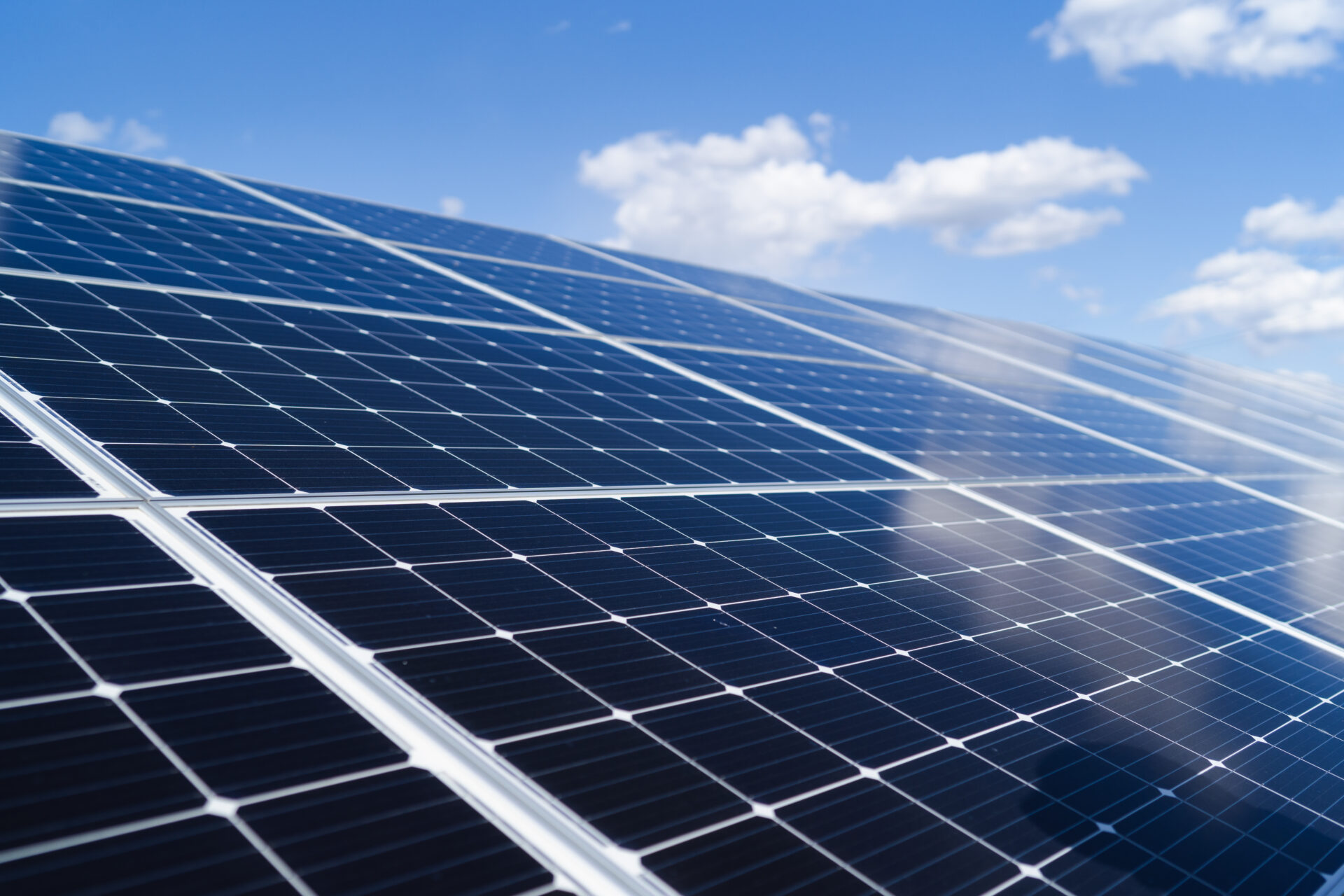
A photovoltaic solar power plant is an installation that captures the sun’s light energy and converts it into electricity. Unlike a solar thermal power plant, which uses heat, a photovoltaic power plant exploits the properties of semiconductor cells to produce an electric current.
The main stages in the operation of a photovoltaic power plant
Operation is based on a multi-stage process:
- Capturing the sun’s rays: Solar panels, made up of photovoltaic cells, capture sunlight.
- Converting light energy into electricity: cells use the photovoltaic effect to generate a direct electric current.
- Current transformation: Inverters convert this direct current into alternating current.
- Grid connection: The alternating current is then fed into the grid via transformers.
Operating components of a photovoltaic power plant
A photovoltaic power plant is a large, complex unit comprising:
- Photovoltaic panels: panels are the most visible component of a photovoltaic power plant. Made up of photovoltaic cells, they capture sunlight and convert it into electricity.
- Inverters: inverters convert the direct current produced by photovoltaic panels into alternating current. This is an important step in the operation of a photovoltaic power plant, as it makes the current compatible with the global power grid and therefore usable.
- Cables: Cables and connections play an essential role in connecting photovoltaic panels to each other, to inverters and to the power grid. Their quality and power determine how far the current can travel without losing energy.
Other components can also play a part in the operation of a photovoltaic power plant: support structures, sun-tracking systems (to optimize efficiency), lightning arrestors, etc.
Converting sunlight into electricity in a solar power plant
The heart of solar panel operation is the photovoltaic effect:
- Photovoltaic cells, made mainly of silicon, capture sunlight.
- This light generates a flow ofelectrons, creating a direct electric current.
- This process converts light energy directly into electrical energy, with no moving parts or emissions.
The 5 key stages in the production of electricity in a photovoltaic power plant
 The path from sunlight to electricity in our homes breaks down into several stages:
- Capture: Light is captured by solar panels.
- Conversion: The cells convert this light into continuous electricity.
- Transmission: This electricity is routed to the inverters.
- Conversion: Inverters convert this current into alternating current.
- Injection: The electricity is finally injected into the power grid.
A simple analogy for understanding how a photovoltaic power plant works
Think of a photovoltaic power plant as a sophisticated factory. The photovoltaic panels are the windows capturing the sunlight. The photovoltaic cells are the machines that transform this light into electrical energy (direct current). And the inverters are the transformers that adapt this energy for everyday use, ready for distribution on the electricity grid (alternating current).
What type of current is involved in the operation of a photovoltaic power plant?
In the operation of a photovoltaic power plant, the conversion of sunlight into electricity initially produces direct current (DC). This current is then transformed into alternating current (AC) by an inverter, to be compatible with domestic and industrial power grids. Direct current, with its constant flow of electrons, is optimal for energy storage such as storage batteries, while alternating current, changing direction periodically, is suitable for large-scale energy distribution. This transition between direct and alternating current is a fundamental aspect of the operation of a photovoltaic power plant, ensuring the efficient and practical use of solar energy.
The different types of photovoltaic power plants and how they work
The use of solar energy continues to grow, and with it the diversity of types of photovoltaic power plants. Vectura, expert in sustainable energy solutions, presents an overview of the different types of photovoltaic plants, each adapted to specific needs and environments.
1. Ground-mounted photovoltaic power plants
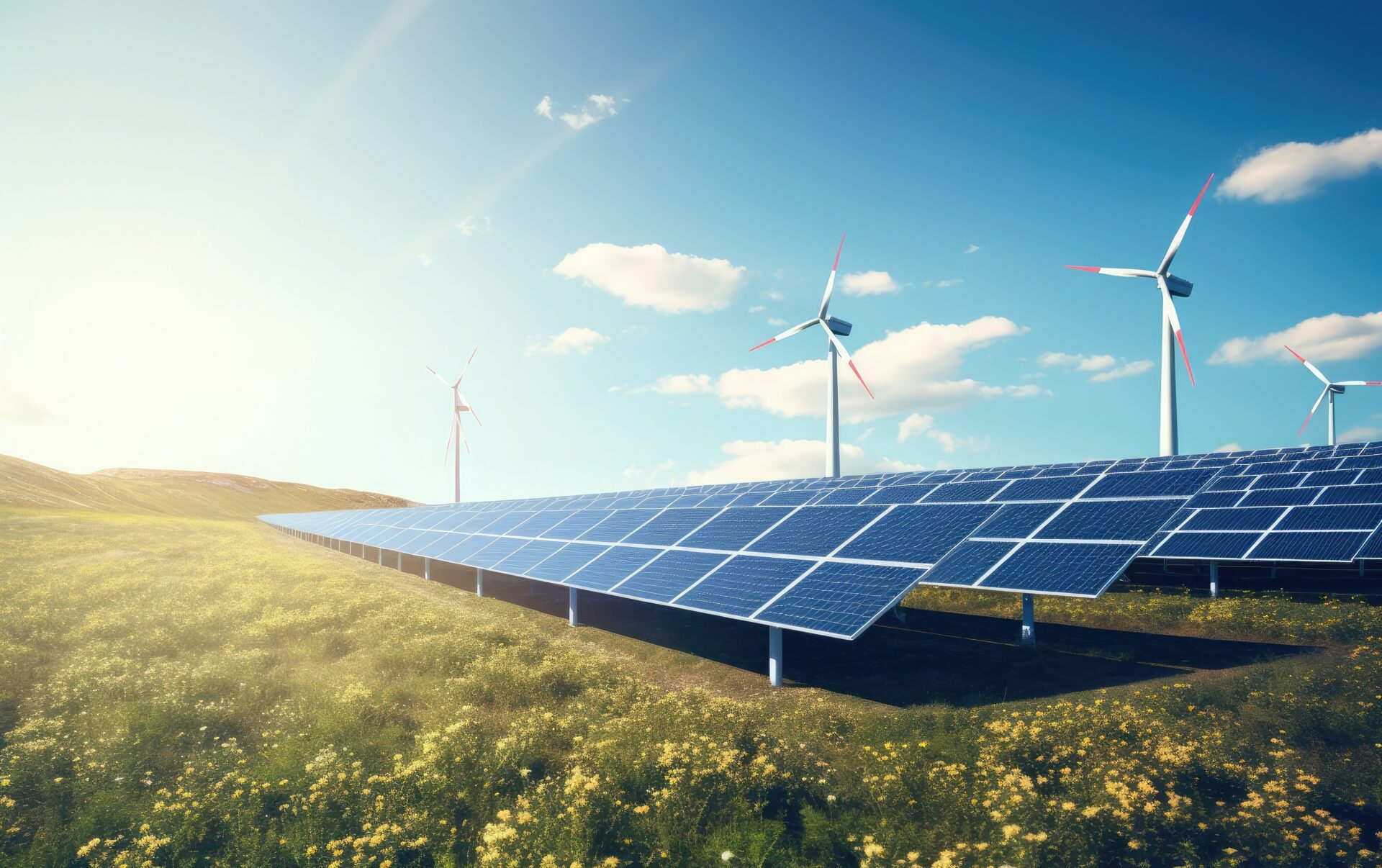
Ground-mounted photovoltaic power plants are typically installed on large plots of land, often in rural areas. They are characterized by their vast expanse of photovoltaic panels aligned at ground level.
Advantages :
- Large production capacity: Because of their size, these plants can generate a significant amount of electricity.
- Lower installation costs: Installation on flat, open land reduces costs. The operation of these photovoltaic power plants makes the most of the land’s exposure, thanks to a south-facing installation.
Disadvantages :
- Visual impact: These installations can alter the aesthetics of the natural landscape.
- Use of arable land: The use of potentially arable land can be a point of contention. Ideally, these plants should be located on land with low fertility or on slopes that are difficult to cultivate.
2. Rooftop photovoltaic power plants
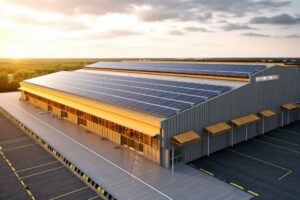
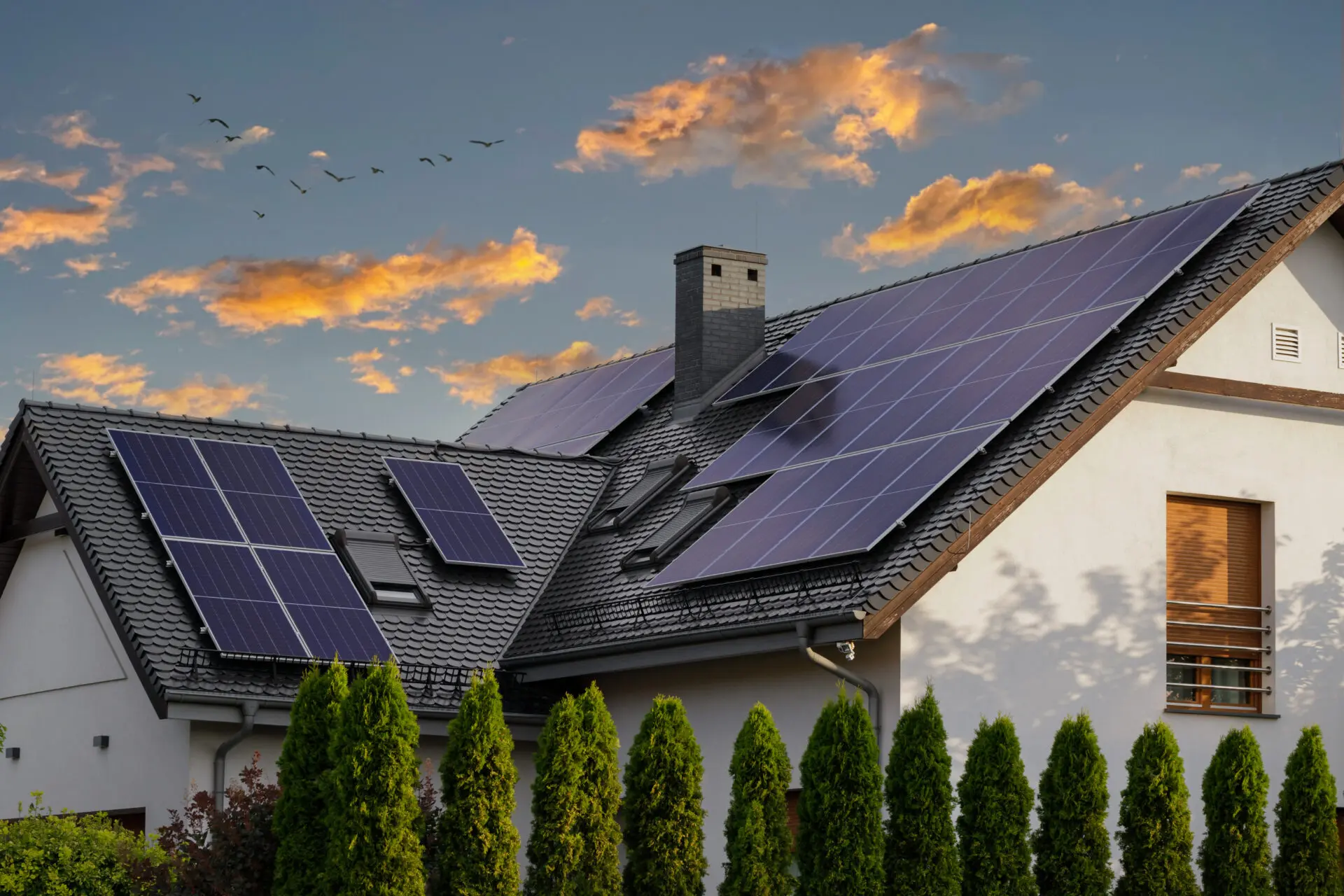
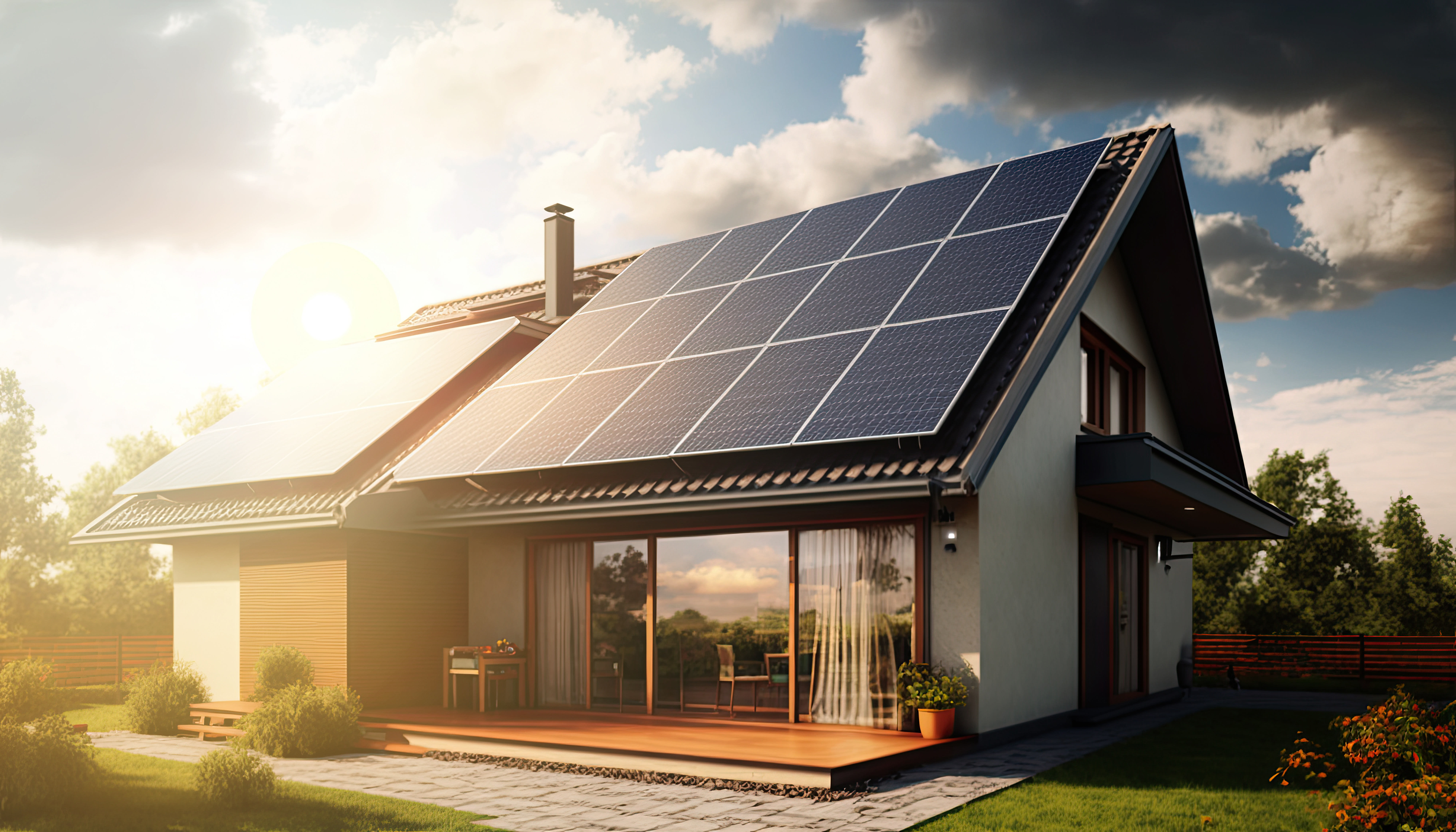
These systems are installed on the roofs of residential, commercial and industrial buildings. They make it possible to exploit spaces that are often unused. The operation of these photovoltaic power plants provides the company occupying the premises with inexpensive electricity and, in some cases, financial benefits. These installations also generally add value to buildings, given the growing popularity of charging stations for electric cars.
Advantages :
- Architectural integration: Panels can be designed to match the aesthetics of the building.
- Utilization of unused surface: they offer a practical solution without the need for additional land.
Disadvantages :
- Limited production capacity: The size and orientation of the roof can restrict the amount of energy produced.
- Dependence on building structure: Roof support capabilities sometimes limit installation. Although relatively lightweight, these structures require prior verification of structural soundness.
3. Floating power plants
An innovative concept, these power plants are installed on bodies of water, such as lakes or artificial ponds. These photovoltaic power plants use an otherwise “wasted” surface to generate affordable electricity.
Advantages :
- Low visual impact: Their location on the water makes them less visually intrusive than other photovoltaic power plants.
- Reduced water evaporation: The panels help to limit evaporation from water bodies thanks to the shade they cast.
Disadvantages :
- Higher installation costs: The technical challenges of installing over water increase the installation and operating costs of these photovoltaic power plants.
- More complex maintenance: Access and maintenance of these installations can be more difficult given their location.
4. Photovoltaic parking and solar shading
A remarkable innovation in the field of photovoltaic power plants is that of photovoltaic parking lots equipped with solar shading systems. These installations combine vehicle protection with optimization of the energy potential of an unused surface area. In particular, these photovoltaic power plants generate the electricity needed to recharge electric and hybrid vehicles via charging stations.
Advantages :
- Versatile power generation: These structures not only generate electricity, they can also power charging stations for electric vehicles, offering a smart energy solution.
- Vehicle protection: As well as generating energy, solar shading offers protection from the elements and the sun for vehicles parked underneath. No more hot cars in summer, or fear of hailstones and snow.
Disadvantages :
- Dependence on parking space: Feasibility and production capacity depend on the size and configuration of the parking space available.
- Installation cost: Although these installations add significant value to your outdoor space, their installation can represent a higher initial investment, given the height at which the panels must be mounted.
What are the stages in Wallonia for studying and designing a photovoltaic power plant project?
PHASE 1: Solar project development
The first phase consists of analyzing the potential of the site envisaged for the solar park and carrying out various technical and environmental studies.
- Solar potential study: This stage evaluates the level of sunlight on the site to determine the feasibility and effectiveness of the project. Tools such as solar modelling and on-site sensors enable precise measurement of solar exposure.
- Environmental studies: These are necessary to assess the project’s potential impact on biodiversity, water, soil and surrounding ecosystems. They also include consultations with ecological experts and field studies.
- Project design: Based on the results of the studies, a suitable park design is drawn up. It takes into account local constraints, space optimization and the type of solar technology to be used (fixed, tracker, etc.).
PHASE 2: Application for Belgian permits and legal authorization
The permit phase is crucial for obtaining the necessary authorizations to launch the project.
- Building permits: Depending on the region, specific permits, such as the single class 2 permit in Belgium, have to be obtained. This phase includes public consultations to gather opinions from local residents and other stakeholders.
- Public inquiry: A public inquiry is held to assess the potential impacts of the project and gather objections or suggestions from the local community.
- Authorities’ decision: Technical officials and local authorities review the submitted studies and decide whether the project can be approved. Once the permit has been granted, the project can move on to the next phase.
PHASE 3: Construction of the photovoltaic site
The construction phase marks the beginning of the project’s transformation into a concrete reality.
- Start of construction: Construction begins with the installation of foundations and support structures for the solar panels. To reduce environmental impact, these installations can be carried out without concrete, using metal structures anchored in the ground.
- Installation of solar panels and cables: The photovoltaic panels are then mounted on the structures, and the cables needed to connect them to the power grid are buried. This also includes installation of the inverters that transform the direct current into alternating current.
- Grid connection: Once the modules have been installed, the park is connected to the local electricity grid so that energy production can begin once construction is complete.
PHASE 4: Fleet operation and management
After construction, the solar park enters the operational phase, producing electricity for an expected lifetime of several decades.
- Commissioning and start of production: Once everything is in place, the park is commissioned and starts producing green electricity. Initial tests are carried out to ensure that everything is working properly.
- Management and maintenance: Throughout the lifetime of the park (around 30 years), regular monitoring is carried out to ensure that the solar panels are operating at optimum capacity. Maintenance includes cleaning the panels and repairing components where necessary.
- Dismantling and recycling: At the end of the park’s life, the solar panels are dismantled, recycled and the site restored to its original state. This ensures that the project remains sustainable throughout its lifecycle, leaving no harmful traces on the environment.
The history of solar farms in Belgium and around the world
Timid beginnings in the 2000s
The first solar park in Belgium was installed in the early 2000s, marking the beginning of the photovoltaic energy boom in the country. Although this initial project was modest by today’s standards, it paved the way for wider adoption of the technology. Since then, Belgium has seen the growth of numerous solar projects, thanks in particular to government incentives and the introduction of green certificates, which have encouraged investment in renewable energies.
A boost for the sector
The major change came in 2008 with the introduction of more robust support measures, similar to the feed-in tariffs adopted in Germany. This led to the construction of several large-scale solar parks across the country. Today, Belgium boasts several hundred photovoltaic installations in excess of 1 MWp, with a few sites reaching over 10 MWp.
At the same time, countries such as the USA, China, Spain and India have also invested heavily in solar power, and Belgium is striving to catch up by focusing on innovative projects such as floating farms and industrial rooftop installations.
Opportunities for ambitious Belgian projects
By 2024, Belgium is aiming to significantly increase its solar capacity, with large-scale projects particularly in the Flanders and Wallonia regions, where parks of several hundred MWp are under development, contributing to the country’s goal of reducing CO2 emissions and achieving energy independence. Although Belgium is not yet at the level of major solar powers such as Germany or Italy, it continues to play a key role in the European Union’s energy transition.
Do you have any further questions about a technical and ambitious photovoltaic project?
Vectura is recognized for its expertise in the realization of ambitious and complex photovoltaic projects. With a wealth of experience in the field of renewable energies, we support our customers at every stage of the process, from feasibility studies to plant maintenance and operation. Thanks to our multidisciplinary team, we are able to manage large-scale projects while overcoming technical, environmental and regulatory challenges.