This page was written by
Nicolas Nihon
Co-founder of Vectura




Installing photovoltaic panels on an industrial building means reducing your energy bills and adopting a more sustainable approach. How does it work, and what concrete benefits can you derive from it? Explore the economic and environmental benefits of such an installation and optimize your company's energy performance!
Companies that consume a lot of energy during the day can benefit from installing photovoltaic panels on their industrial buildings. By generating your own electricity, you reduce your dependence on fluctuating energy prices and stabilize your costs over the long term. What’s more, by directly consuming the energy you produce during business hours, you optimize your energy efficiency while reducing your carbon footprint. It’s a sustainable solution that secures your electricity supply while actively contributing to the energy transition. Explore the concrete benefits of this installation to make your business more economical and eco-responsible.
Contact us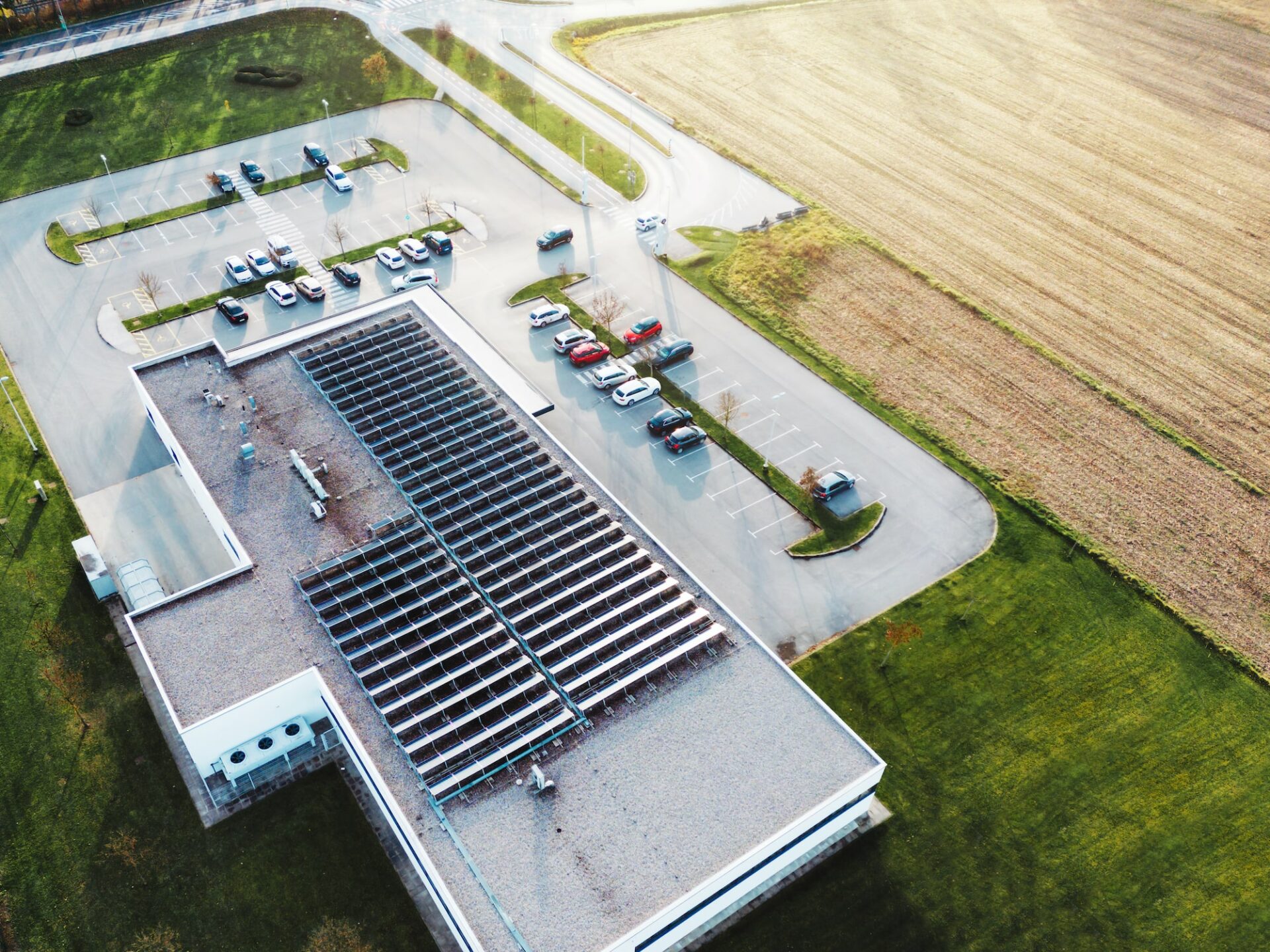


Photovoltaic panels make it possible to generate some or all of the energy required for industrial operations, reducing dependence on traditional energy suppliers and price fluctuations. This results in substantial savings on electricity bills, improving long-term profitability.


Photovoltaic panels for industrial buildings pay for themselves in around 6 years, thanks to lower installation costs and energy savings. After this period, the electricity produced is essentially free, enabling a high return on investment.

By investing in renewable energies, a company demonstrates its commitment to sustainability, which strengthens its image with customers and partners. In addition, companies reduce their CO2 emissions, contributing to carbon neutrality objectives.
We continually strive to satisfy our customers. We offer tailor-made solutions for your sector of activity.
Photovoltaic panels
Photovoltaic panels
Photovoltaic panels
Photovoltaic panels
Photovoltaic panels
Photovoltaic panels
Photovoltaic panels
Photovoltaic panels
Many industries can benefit from the installation of photovoltaic panels for industrial buildings to reduce their energy costs and improve their environmental footprint. The following sectors are particularly well positioned to benefit from this technology:
Manufacturing industry: Plants with high energy requirements can significantly reduce their operating costs.
Logistics and distribution: Warehouses and distribution centers, often with large roofs, are ideal for large-scale photovoltaic installations.
Agri-food: Processing and storage facilities can use solar energy to offset their energy consumption.
Automotive industry: Production sites and dealerships can integrate photovoltaic panels to power their operations and infrastructure.
Storage and warehousing companies: the vast unused surfaces of these buildings can be optimized for solar power generation.
Whatever the sector, the installation of photovoltaic panels enables companies to improve their energy independence and reduce their carbon footprint, while saving money in the long term.

A photovoltaic panel installation for industrial buildings works by converting solar energy into electricity using photovoltaic cells. These cells, installed on the roofs of industrial facilities, capture sunlight and transform it into direct current (DC). This current is then converted into alternating current (AC) via one or more inverters to power your building’s electrical equipment directly. Surplus energy is then either stored in storage batteries or fed back into the grid. This process reduces energy costs and optimizes the energy efficiency of operations. A properly sized installation not only offers energy independence, but also contributes to the sustainability of your business by reducing its carbon footprint.

The choice ofphotovoltaic panel installation for an industrial building is based on a number of criteria, including the size of the infrastructure, energy consumption and sustainability objectives. Companies can opt for different solutions:
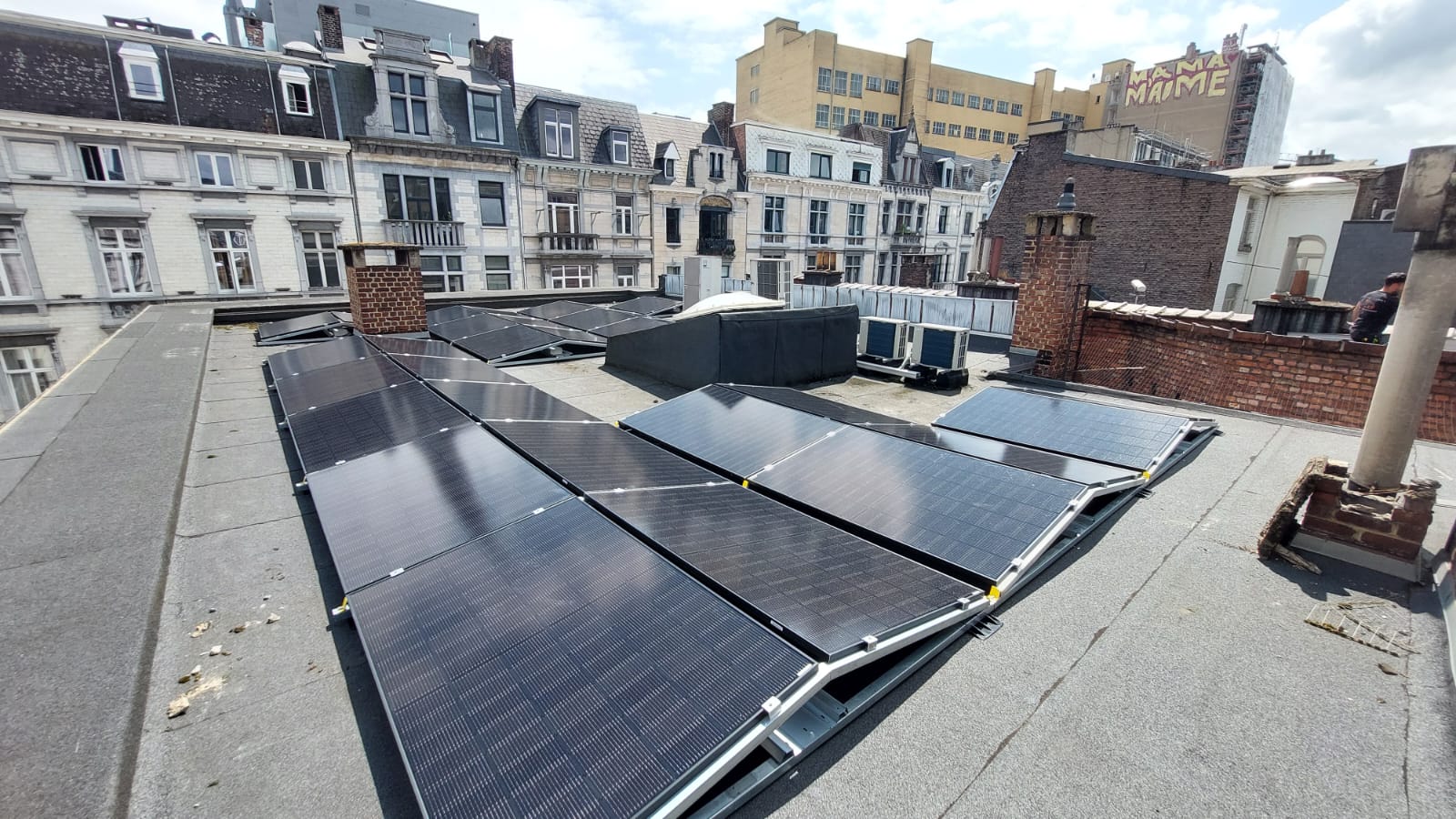
Roof-mounted systems: Ideal for large industrial areas, they optimize available space and offer substantial energy production.
Ground-mounted systems: Ideal for sites with unused land, they increase solar production capacity.
Vectura can help you choose the right solution to maximize your company’s energy efficiency and reduce its operating costs and carbon footprint.

An expert performs a detailed site analysis to determine potential obstacles, such as power supply availability and location restrictions.

Once the needs and restrictions of the site have been assessed, the expert presents different options for charging stations, depending on the quantity required, power and location.
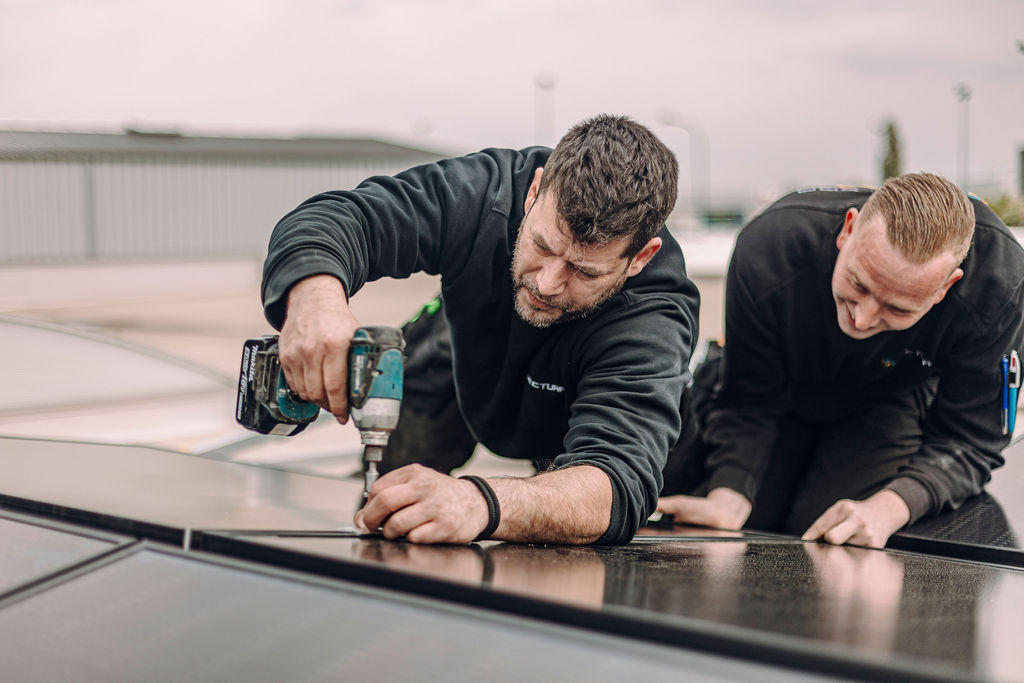
Once all the formalities have been completed, the charging stations can be installed. The certified installer will ensure that the installation runs smoothly and in compliance with safety standards.
Installing photovoltaic panels for industrial buildings offers many advantages to companies looking to optimize their energy efficiency and reduce costs. Here are the main benefits:
Lower energy costs: By generating their own electricity, businesses can reduce their energy bills, especially in energy-intensive sectors.
Energy independence: Industrial buildings reduce their dependence on public grids and control their energy supplies more effectively, particularly in the face of volatile electricity prices.
Long-term profitability: The initial investment in photovoltaic panels quickly pays for itself, thanks to energy cost savings and subsidies.
Meeting environmental commitments: Photovoltaic panels help to reduce a company’s carbon footprint, an important asset for meeting regulatory requirements and improving brand image.
Building value: Installing photovoltaic panels increases the value of an industrial building, making the infrastructure more attractive to potential buyers and/or tenants.
In short, photovoltaic panels enable companies to improve their competitiveness and enhance their sustainability.

Take the first step towards a sustainable future.












We are experts in installing charging stations, photovoltaic panels and storage batteries. Thanks to our recognised expertise, we offer customised, reliable solutions that comply with the most stringent standards. By choosing us, you are opting for a sustainable, economical energy transition supported by a team committed to your satisfaction.
Our experts answer your questions
Yes, if roofing isn’t enough, a ground-mounted photovoltaic system is an excellent alternative. You can either opt for a solar carport in your parking lot, or install the panels in a field or open area. These solutions allow you to maximize energy production according to your company’s needs.
No, it’s not necessary to close the business while the photovoltaic system is being installed. The work is carried out in such a way as to minimize disruption. Installation on the roof or on the ground takes place without affecting day-to-day operations, guaranteeing business continuity.
Yes, the company remains accessible to customers while the photovoltaic system is being installed. Work is planned to minimize disruption and ensure safe access. Whether for a showroom or a supermarket, business can continue as usual, ensuring a smooth customer experience during installation.
Only one interruption is required for electrical connections. This can be planned to minimize the impact on building operations. In general, business operations remain largely unaffected during these phases.
The cost of installing photovoltaic panels for industrial buildings depends on a number of criteria that need to be considered in order to establish a budget estimate. In addition to long-term energy savings, this investment provides companies with a sustainable infrastructure, helping to reduce their carbon footprint and improve their energy independence. However, there are a number of factors to take into account when estimating the budget required.
A personalized study is recommended to obtain a precise cost estimate, as well as a projection of long-term savings through self-consumption or energy resale. A properly sized system can pay for itself over a period of 5 to 10 years, depending on the incentives available and the energy produced.
The lifespan of photovoltaic panels for industrial buildings is another factor to consider. Designed to be robust, photovoltaic panels have an average lifespan of 25 to 30 years. This makes them a reliable long-term solution for companies looking to optimize their energy costs while reducing their carbon footprint. With renewable energy production over several decades, an industrial photovoltaic installation represents a sustainable budgetary asset.
Photovoltaic panels require little maintenance, but regular monitoring by professionals is necessary to maintain their performance. At Vectura, we offer maintenance services tailored to the needs of businesses to ensure the longevity of installations. Most manufacturers offer performance guarantees of 20 to 25 years, ensuring the long-term reliability of your investment. Thanks to these guarantees, photovoltaic panels for industrial buildings are a reliable and profitable source of energy.
Although photovoltaic panels have a long lifespan, their yield decreases slightly over time. However, this reduction is gradual and predictable, enabling companies to plan their long-term energy needs. Current technological advances ensure high levels of efficiency throughout the panels’ lifetime, guaranteeing stable performance for your industrial activity.
In conclusion, installing photovoltaic panels for an industrial building is an informed investment over 25 to 30 years. With proper maintenance and solid warranties, your business benefits from a clean, reliable and cost-effective source of energy. Vectura is committed to providing high-quality, high-performance photovoltaic solutions tailored to the needs of industrial buildings. Contact us for a personalized quote and find out how a photovoltaic installation can support your energy transition and optimize your operations.

Nicolas Nihon
Co-founder of Vectura