This page was written by
Nicolas Nihon
Co-founder of Vectura




Setting up an energy community helps reduce energy costs while contributing to the ecological transition. In the case of buildings, it enhances property value through the use of renewable energies.
An energy community is a group of residents, businesses, organizations or communities working together to collectively produce, consume and manage renewable energy on a local scale. This concept can be applied to residential buildings as well as neighborhoods and industrial zones. By investing together in infrastructure such as

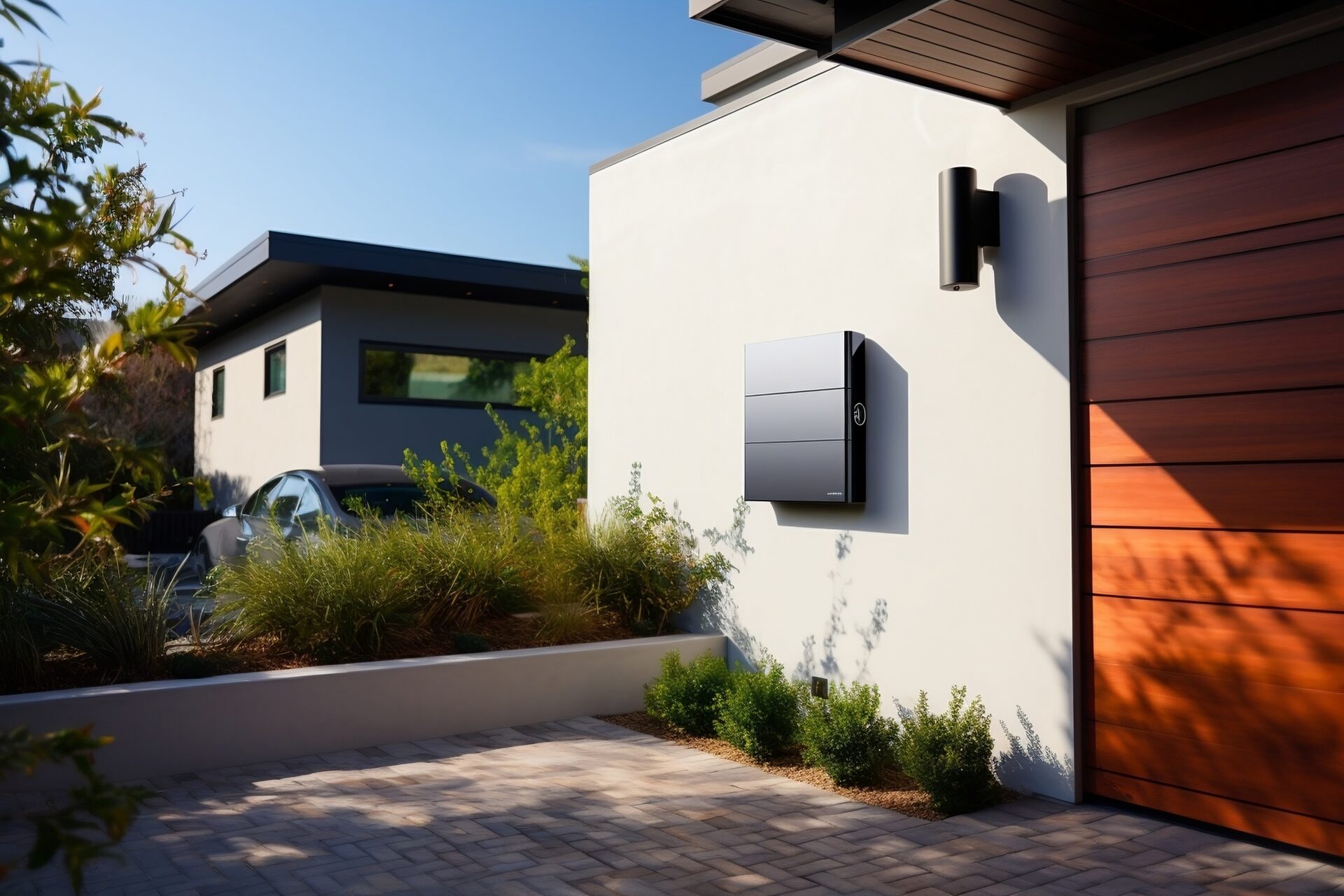
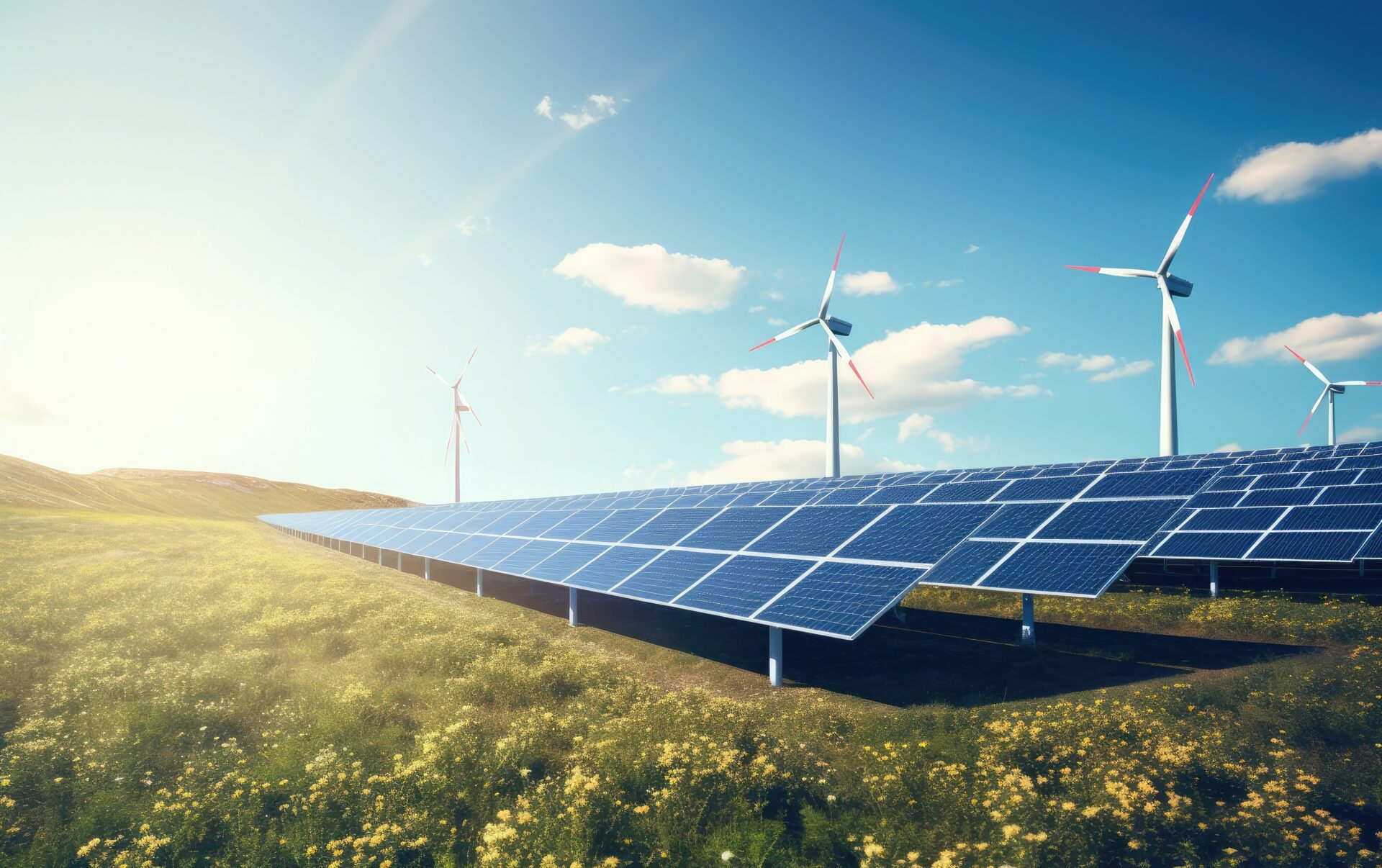

By joining an energy community, you consume energy produced locally from renewable sources such as solar. This sharing reduces your collective carbon footprint, while maximizing the use of clean energy resources, reinforcing everyone's commitment to the environment.


Members of an energy community are constantly informed about the environmental impact of their consumption. Thanks to regular reports and real-time monitoring tools, each participant can visualize his or her energy savings and positive impact on the environment, promoting collective awareness.

Joining an energy community creates a sense of belonging to a long-term ecological project. By investing in sustainable, local solutions, participants make a joint commitment to the energy transition, while benefiting from clean, affordable energy, which reinforces their motivation to preserve the planet.
We continually strive to satisfy our customers. We offer tailor-made solutions for your sector of activity.
Photovoltaic panels
Photovoltaic panels
Photovoltaic panels
Photovoltaic panels
Photovoltaic panels
Photovoltaic panels
Photovoltaic panels
Photovoltaic panels
Creating an energy community has multiple economic and environmental benefits, whether for a residential building, a neighborhood, an industrial zone or even a group of companies. Participants – be they residents, trustees, businesses or communities – significantly reduce their energy costs by producing and consuming renewable energy locally, thus protecting themselves against energy price fluctuations. This approach also increases property values, as buyers, tenants and investors are more attracted to sustainable, energy-efficient buildings and infrastructure. Finally, it helps to reduce the carbon footprint of participants, reinforcing the ecological image and actively contributing to the energy transition.
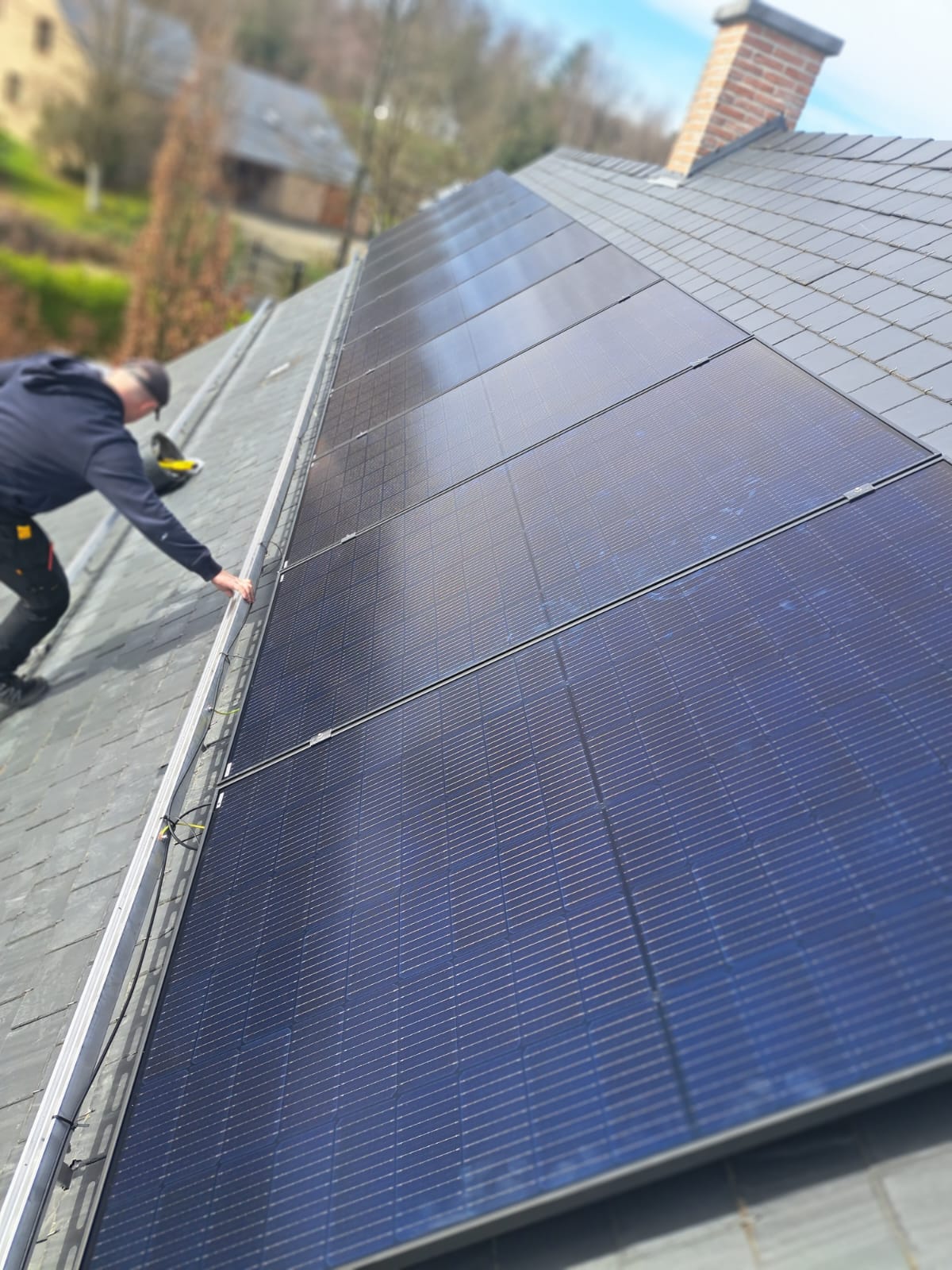
Members of an energy community – whether condominium corporations, residents, businesses or other organizations – can significantly reduce their energy costs by producing renewable energy locally, such as solar power from photovoltaic panels. Community members reduce their dependence on traditional electricity suppliers, often subject to price variations, by producing their own energy. Direct savings on energy bills are achieved through local self-consumption. In addition, unconsumed energy production can be shared or sold, maximizing the financial benefits for the community.

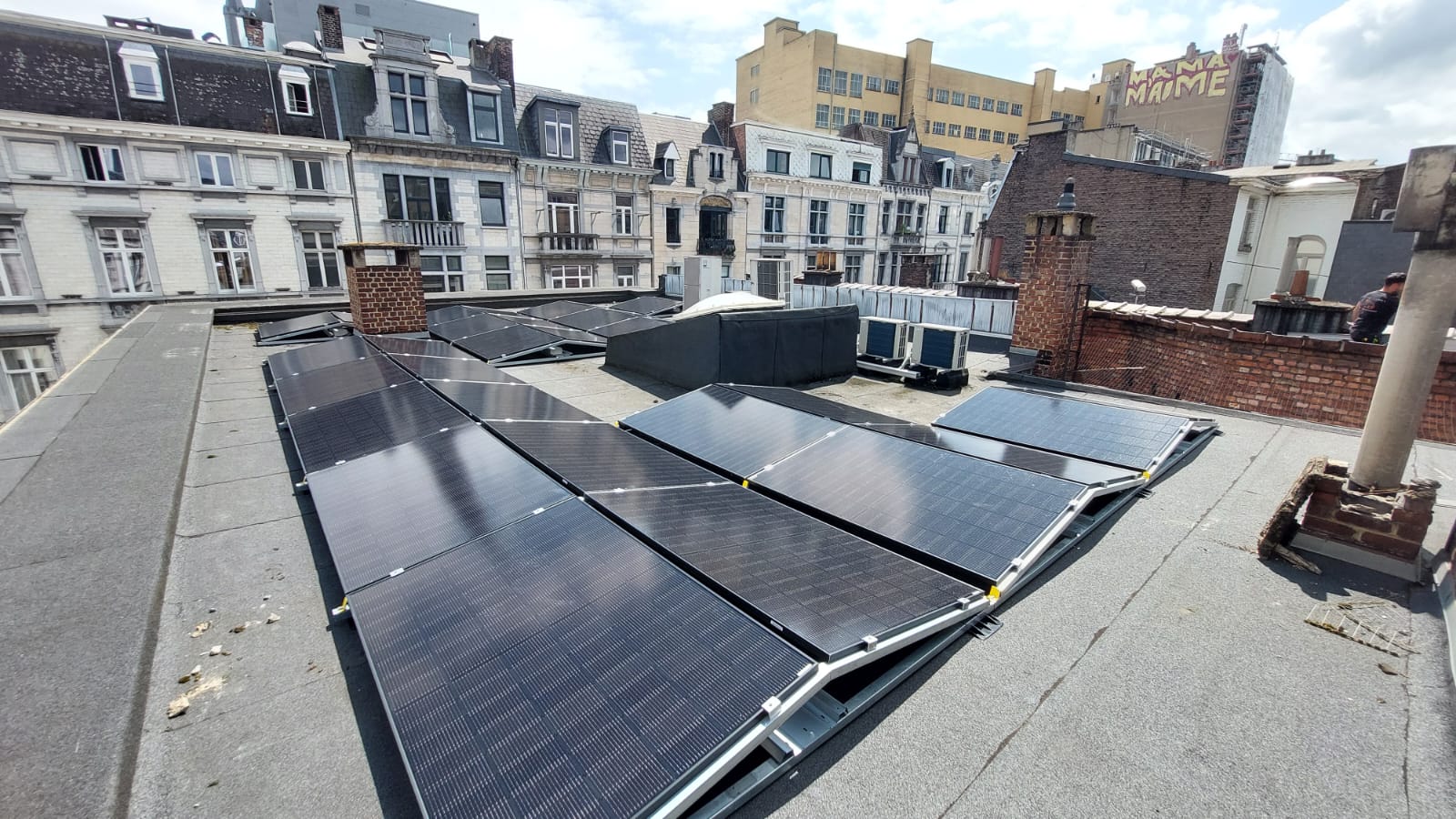
An expert performs a detailed site analysis to determine potential obstacles, such as power supply availability and location restrictions.

Once the needs and restrictions of the site have been assessed, the expert presents different options for charging stations, depending on the quantity required, power and location.
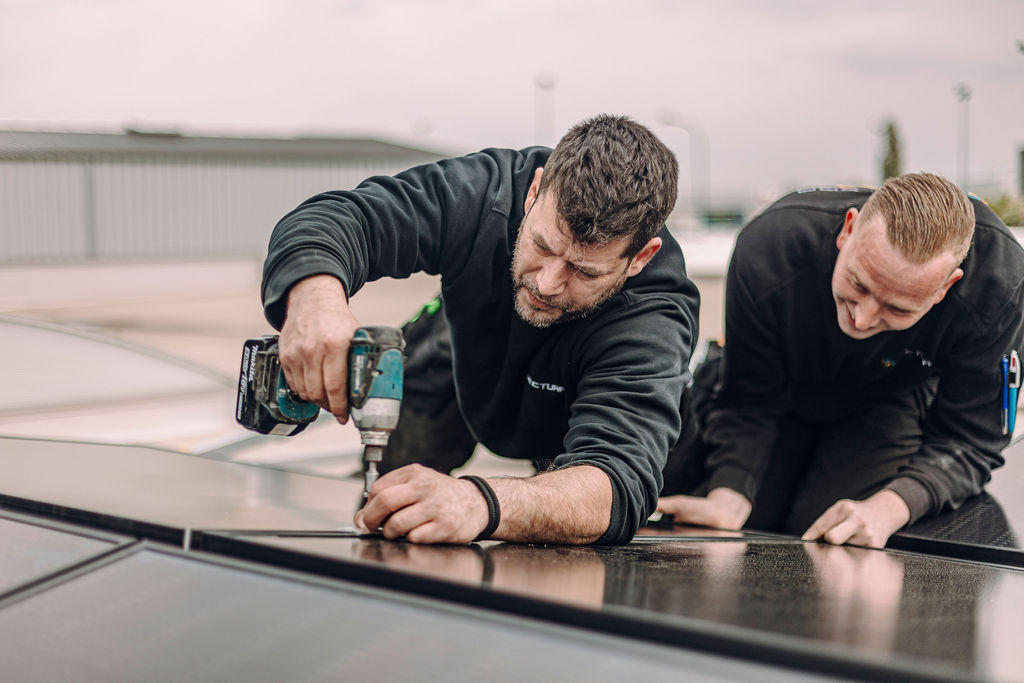
Once all the formalities have been completed, the charging stations can be installed. The certified installer will ensure that the installation runs smoothly and in compliance with safety standards.
By creating an energy community, real estate assets such as residential properties, industrial estates or commercial buildings gain in value. Properties that are part of an energy community become more attractive on the market, as they offer sustainable energy solutions and significant savings on energy costs. Buyers, tenants and investors are increasingly aware of the ecological impact and financial benefits of clean, renewable energy. This favorable view is reflected in rising property values and growing demand. Property managers, building associations and business park managers are strengthening the competitiveness and attractiveness of their assets by creating an energy community.
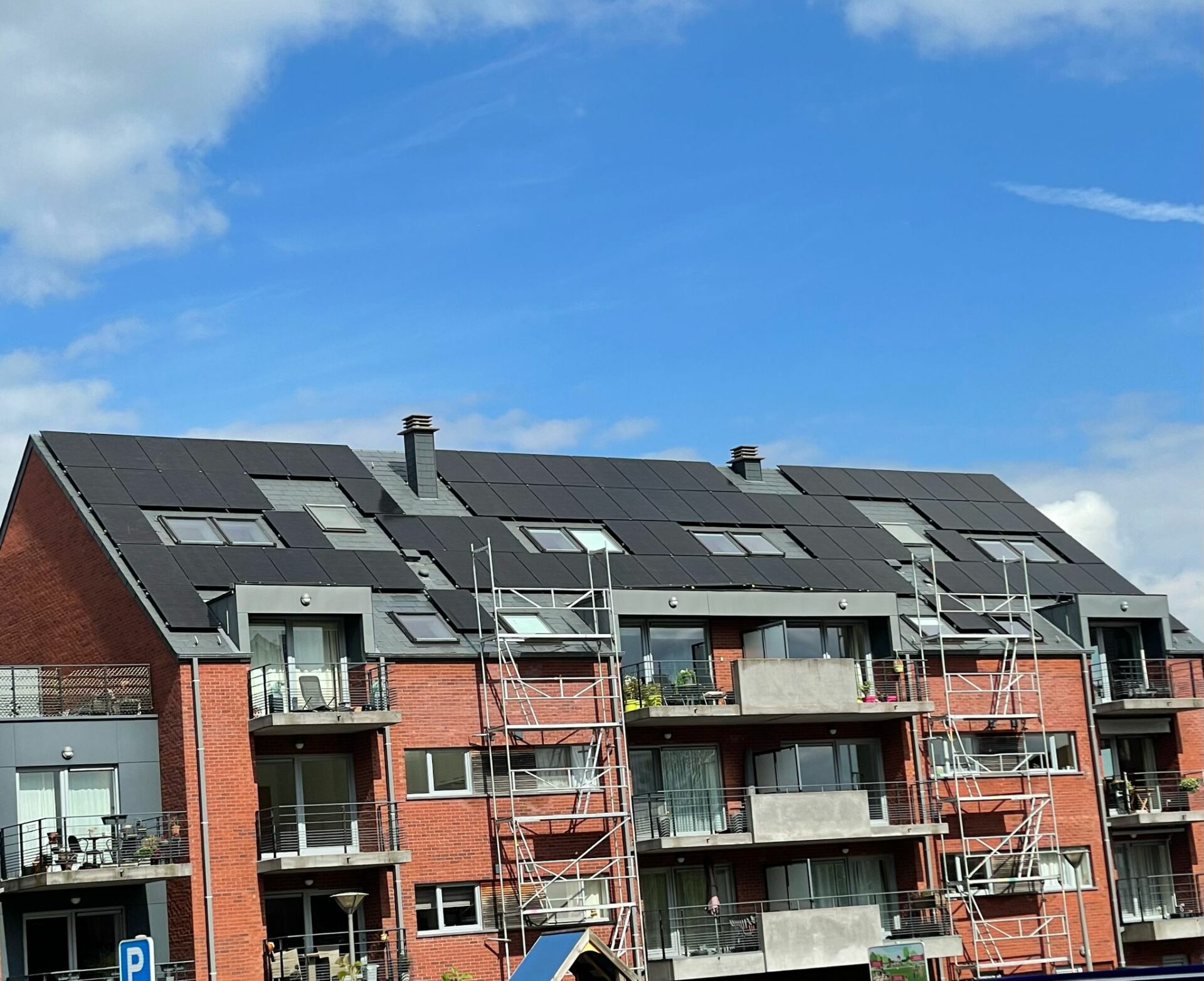
Take the first step towards a sustainable future.












We are experts in installing charging stations, photovoltaic panels and storage batteries. Thanks to our recognised expertise, we offer customised, reliable solutions that comply with the most stringent standards. By choosing us, you are opting for a sustainable, economical energy transition supported by a team committed to your satisfaction.
Find answers to frequently asked questions about energy communities.
Any person, company or organization can join an energy community, provided they share the values of sustainability and contribute to the production or consumption of renewable energy. You don’t have to produce energy yourself to be part of the community.
Members of an energy community can reduce their energy bills by sharing locally-generated electricity. By consuming energy produced by the community, participants reduce their dependence on external suppliers and benefit from electricity at a lower cost than the market.
The management of an energy community is facilitated by digital tools that enable each member to track production, consumption and savings in real time. Transparent online platforms ensure a fair distribution of energy and simplify day-to-day management.
No, you don’t have to produce energy to join an energy community. You can simply be a consumer of the energy produced by other members. The principle is to maximize the collective use of renewable energy, whether you’re a producer or a consumer.
An energy community is based on residents, businesses, communities or organizations working together to produce, consume and share renewable energy locally. This model maximizes energy autonomy while reducing costs for all participants. Here’s how it works in practice:
In an energy community, energy is mainly generated by local installations, such as photovoltaic panels placed on the roof of a residential building, an industrial building or on common land. This renewable energy is used directly by participants to meet their daily needs, reducing energy consumption from the traditional grid. Unused surplus energy can be shared between community members or sold to third parties, generating additional income. This model optimizes the use of renewable energy while strengthening the energy autonomy of buildings, neighborhoods or business zones.
Energy communities operate on a participatory governance model, where every member – whether resident, company or community representative – has an active role in managing energy production and consumption. Key decisions, such as investment in new infrastructure, allocation of generated energy or management of surpluses, are taken collectively by the participants. This democratic process ensures that the interests of all members are taken into account, promoting transparent and equitable management of the energy community. Participatory governance also strengthens the commitment of participants, uniting them around a common goal of sustainability and energy efficiency.
Creating an energy community is a strategic approach that enables residents, businesses, condominium corporations or communities to reduce energy costs, improve energy efficiency and strengthen participants’ environmental commitment. To achieve this, we need to understand the steps to follow and the resources available to support this initiative.
A number of financial aids and subsidies are available to encourage the creation of energy communities in residential buildings, industrial estates or neighborhoods. These subsidies are generally offered by local, regional or national governments as part of energy transition policies. They can cover a significant proportion of initial installation costs, particularly for installations such as photovoltaic panels, thus reducing the financial barrier to entry. What’s more, some grants are specifically designed to support energy communities, helping to accelerate project profitability. Participants can benefit from specialist advice on how to navigate these opportunities and maximize the support available.
One of the attractive aspects of an energy community is the way in which responsibilities and risks are shared between its members, whether they be condominium associations, companies or local authorities. Unlike individual energy investments, an energy community enables the initial costs, benefits and potential risks to be shared between several players. This collaborative model reduces the financial burden for each member and ensures collective management of the infrastructure. As a result, each participant does not have to assume energy-related decisions and responsibilities alone. What’s more, the pooling of resources and skills within the energy community strengthens its resilience and ability to adapt to changes in the energy market.

Nicolas Nihon
Co-founder of Vectura